Scientifically Validated
Backed by 50+ years of peer-reviewed research across cultures and languages. The most reliable personality framework in psychology.
Backed by 50+ years of peer-reviewed research across cultures and languages. The most reliable personality framework in psychology.
You're not a type. OCEAN Personality measures 30 distinct facets across five personality dimensions, enough resolution to show how two people who seem similar actually differ.
Go beyond self-discovery. Get specific, practical recommendations for leadership, communication, and personal growth.
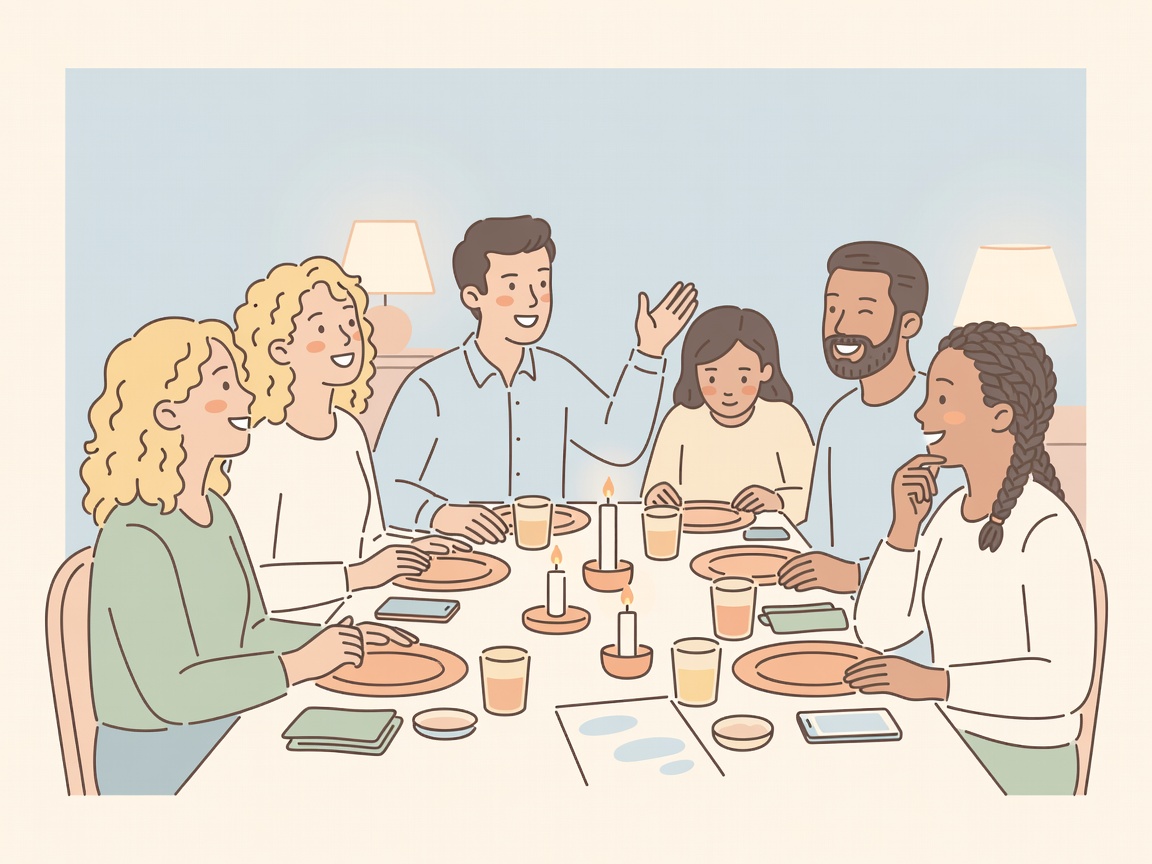
The test is most useful when one person brings it to a room and everyone reads the result together. Here is who is already doing it.

Map who leads, who complies, and where the friction lives before the next quarter.

Give every couple an objective map of the conflict before session two.

Run the real instrument your Big Five unit teaches, on your own students.

Map the table: who takes over, who checks out, and who to draw out.
How drawn you are to novelty, variety, and depth of experience. Higher scorers are curious, imaginative, and comfortable with unconventional ideas. Lower scorers prefer consistency, practicality, and well-established approaches.
Imagination, Artistic Interests, Emotionality, Adventurousness, Intellect, Liberalism
How organized, motivated, and thorough you are in pursuing goals. Higher scorers are methodical, self-motivated, and well-organized. Lower scorers take a more relaxed and spontaneous approach to life.
Self-Efficacy, Orderliness, Dutifulness, Achievement-Striving, Self-Discipline, Cautiousness
How energized you are in social settings. Higher scorers are outgoing, enthusiastic, and drawn to interaction. Lower scorers are more reserved and reflective, preferring smaller gatherings or time alone.
Warmth, Gregariousness, Assertiveness, Activity Level, Excitement-Seeking, Cheerfulness
How much you prioritize getting along and accommodating others. Higher scorers are compassionate, cooperative, and trusting. Lower scorers are more independent, competitive, and willing to challenge.
Trust, Straightforwardness, Altruism, Cooperation, Modesty, Sympathy
How strongly you experience negative emotional reactions to daily pressures. Lower scorers are emotionally resilient and calm under stress. Higher scorers experience emotions more intensely and react more strongly.
Anxiety, Anger, Depression, Self-Consciousness, Immoderation, Vulnerability
Get your percentile scores across all five domains and 30 facets in less than 15 minutes.
All 30 facets explained in detail, with scoring methodology and peer-reviewed citations.
Use personality profiles to improve mentor-mentee communication and coaching dynamics.
Screen candidates for role fit and map your team's friction points, blind spots, and complementary strengths across 30 facets.
Assess co-founder compatibility before the friction points become deal-breakers.
Understand compatibility, conflict patterns, and how personality shapes your connection.
How popular psychology frameworks (like DISC and MBTI) map to the 30 OCEAN subfacets. Start with DISC, MBTI, Grit, or TKI conflict styles.