Grit Is Two Personality Traits: What Duckworth's Research Looks Like in the Big Five

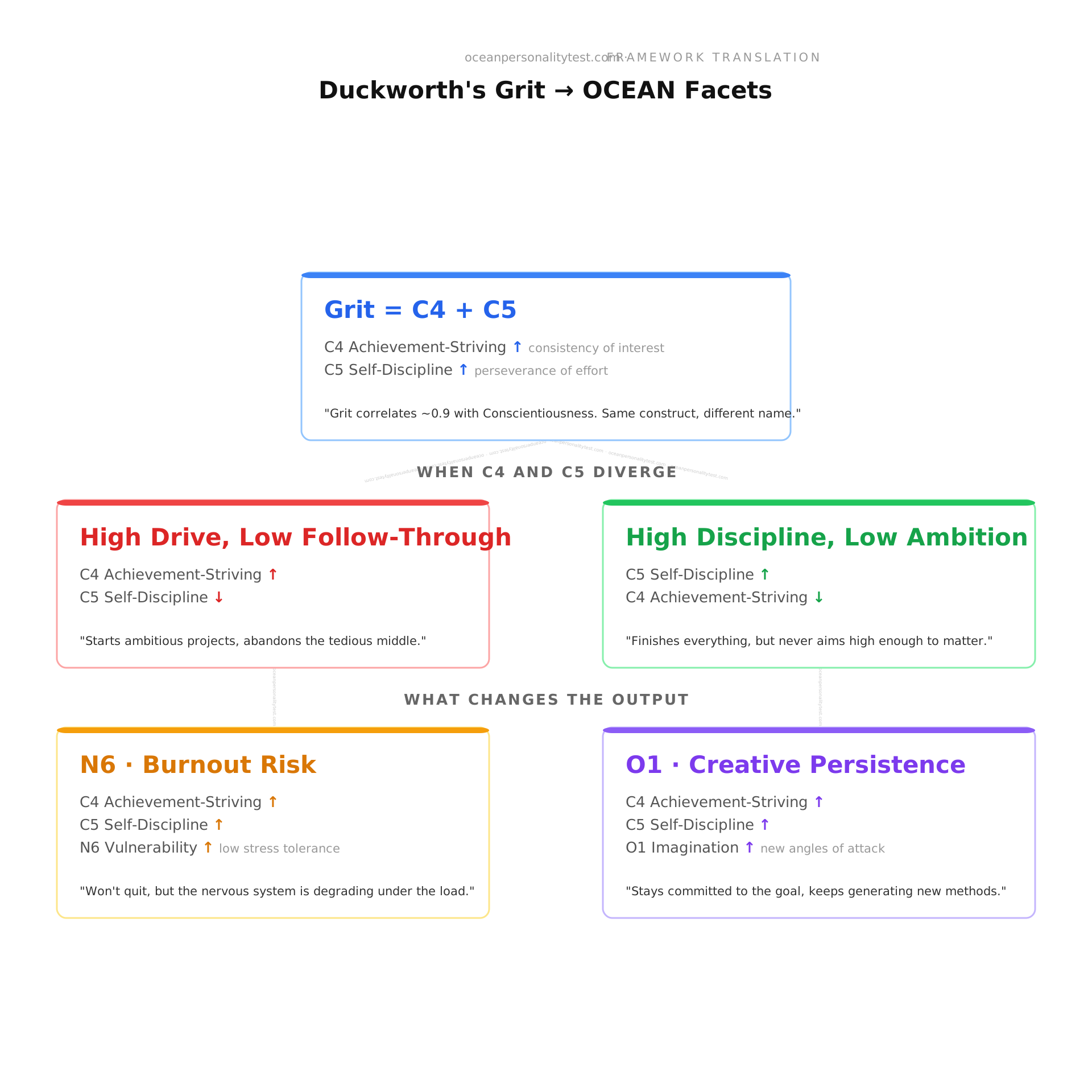
Angela Duckworth's grit scale splits into two components: perseverance of effort and consistency of interest. One measures whether you keep working when things get hard. The other measures whether you stick with the same goal over months and years instead of chasing whatever feels exciting this week. The scale was published in 2007 and became one of the most cited constructs in popular psychology.
The Big Five already had both of those measured at the subfacet level. C5 (Self-Discipline) is the capacity to push through tasks you'd rather quit. C4 (Achievement-Striving) is the drive to set ambitious goals and stay locked on them. Duckworth's two grit components map almost perfectly onto these two Conscientiousness facets, and meta-analyses confirmed it: grit correlates around 0.9 with Conscientiousness. That's high enough to call it the same construct wearing a different name.
None of this makes grit a useless idea. What it means is that the grit scale was measuring something personality researchers had already been measuring for decades, just in different language. Duckworth gave it a story that resonated with parents and educators. The underlying measurement was already there.
Why Two Facets Matter More Than One Score
A single grit score hides the internal structure. Someone with high C4 but low C5 starts ambitious projects constantly and abandons them when the tedious middle stretch arrives. Their grit score lands somewhere in the moderate range, which tells you nothing about the actual failure pattern. The problem isn't motivation; it's sustained execution once the initial energy fades.
Flip it: high C5 with low C4. This person finishes everything they start, reliably, on time. But they never aim at anything difficult enough to matter. They complete the checklist, hit the safe target, and move on. A moderate grit score again, masking a completely different limitation. The discipline is there; the ambition isn't.
Knowing your C4/C5 split tells you which half of grit you're actually missing, something a single grit score compresses into one number and loses.
The Facets That Change What Grit Does
Grit doesn't operate in isolation. Two other OCEAN subfacets shape whether high C4 and C5 produce something useful or grind a person into the ground.
N6 (Vulnerability) is stress tolerance under sustained pressure. High grit paired with high N6 creates a specific problem: the person won't quit, but their nervous system is degrading under the load. They keep pushing through tasks while their sleep quality drops, their irritability climbs, and their decision-making gets worse. This is the burnout pattern. The grit is real; it just runs past the point where continuing produces diminishing or negative returns. Low N6 acts as a buffer. The same persistence runs longer before it starts costing more than it produces.
O1 (Imagination) changes the direction grit takes. Low O1 with high grit means rigid persistence, executing the same approach repeatedly even when the problem has shifted. High O1 with high grit is creative persistence: the person stays committed to the goal but keeps generating new angles of attack when the current one stalls. Most of the grit success stories that Duckworth profiles in her book are this second type. The perseverance mattered, but so did the ability to adapt method while holding the objective fixed.
What a Grit Test Can't Show You
The standard grit scale gives you a number between 1 and 5. It can't tell you whether your perseverance comes from discipline or from anxiety about failure. It can't tell you whether your consistency of interest reflects genuine commitment or just low openness to alternatives. It can't separate the person who persists because the work matters from the person who persists because quitting feels like dying.
The subfacet structure can. When you see C4, C5, N6, and O1 together, you see not just how much grit someone has but what kind it is, what sustains it, what erodes it, and where it breaks.
The 30-facet OCEAN personality test measures all four of these subfacets along with 26 others, and your results show exactly where the C4/C5 split falls. If you've ever scored moderate on a grit quiz and thought "that doesn't feel right," the facet-level breakdown will tell you why.
Take the 30-facet OCEAN personality test and find out which half of grit you're actually working with.