Self-Sacrifice: The Personality Pattern That Looks Like Love
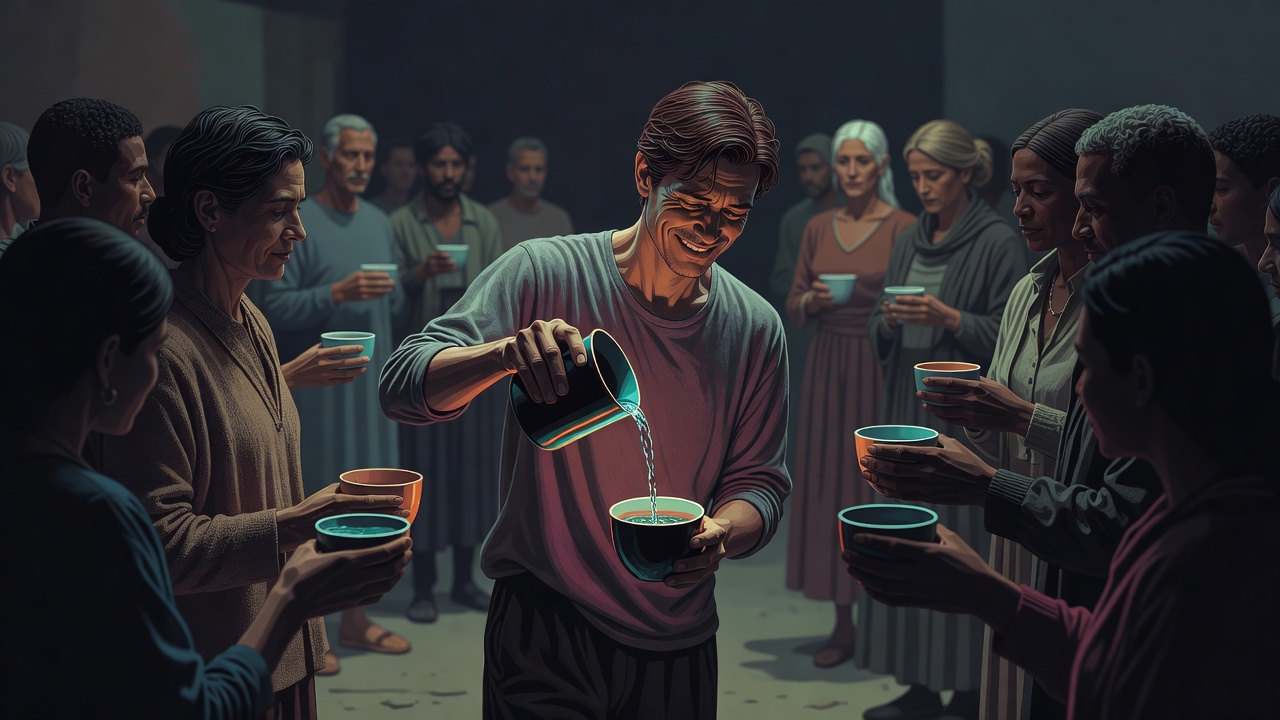
This is the hardest schema to point at as a problem, because everyone around the person is benefiting and the culture files it under virtue. The self-sacrificer handles everyone's needs before their own, gives past the point of depletion, cannot settle while someone nearby is struggling. They are the reliable one, the parent who never takes the break. And under the real generosity there is usually a compulsion they cannot see and a resentment they feel guilty for even having, because the giving was never fully theirs to choose.
When giving is a schema, not a value
Generosity is a genuine virtue and most giving is fine, freely chosen, poured from a cup that is actually full. The schema version is different, and the difference is compulsion. Someone operating from the schema literally cannot not give. Putting themselves first sets off real guilt or anxiety rather than a mild preference, so the giving is driven rather than decided. Watch what happens when they try to say no. A healthy giver declines and moves on without much fuss, while a person with the schema takes the refusal as something close to a moral failure, a wash of guilt strong enough to make the sacrifice feel like the only door available. The outward behavior is identical. Whether it comes from freedom or from compulsion is the whole difference between a value and a wound.
Where it comes from
It usually forms in a childhood where the person got needed too early, often the emotionally responsible kid of a parent who was struggling or self-absorbed, learning fast that their job was to manage everyone else and that their own needs were an inconvenience at best and a danger at worst. A child in that spot copes by getting exquisitely tuned to everyone around them and shelving their own wants so thoroughly that, decades on, they may truly have no idea what those wants are. That is why so many self-sacrificers go blank when you ask what they actually want. The muscle for sensing their own needs never got built, because building it was neither safe nor useful in the house that shaped them. The people-pleaser breakdown takes on a close cousin of this from the trait side.
The hidden cost and the buried resentment
The price is steep and quiet, and the clearest evidence of it is the resentment. Because the giving is compelled rather than chosen, it slowly brews a bitterness the person is ashamed to feel, a sense of being drained and taken for granted that clashes so hard with their image of themselves as generous that the resentment gets shoved down, where it comes back out sideways as martyrdom, or passive aggression, or eventually just burnout. The people around them are often completely clueless about any of it, because the self-sacrificer never names a need or draws a line, so everyone learns that this person requires nothing and keeps helping themselves accordingly. What makes it a real tragedy is that it is mutual and nobody meant it: the giver feels unseen and unreciprocated, and the takers had no way to know, because the entire arrangement rested on the giver staying silent about themselves.
Learning to receive
The work is not to get selfish or to quit giving, which would trash a value that is real underneath the wound. It is to turn compelled giving into chosen giving, and that runs straight through the terrifying step of attending to your own needs, starting with the basic problem of figuring out what they are. In practice it begins tiny and feels enormous: saying no to a single request and riding out the guilt without folding, or letting someone do something for you without instantly reciprocating or waving it off. Receiving tends to be harder than giving for these people, because to receive is to admit a need, and the schema grew up around the belief that their needs are unwelcome in the first place. This is usually a job for a therapist, since the guilt runs strong and the self is genuinely underbuilt. What you are working toward is someone who still gives generously and now gives from choice, and from fullness, which happens to be the only kind of giving that does not slowly turn sour.
The 30-facet OCEAN personality test measures the traits this schema drapes itself over, the high Altruism and high Cooperation especially, alongside the Assertiveness facets it tends to suppress, in about 15 minutes, with domain results free. It cannot tell you whether your generosity is chosen or compelled, which is something only you can feel from the inside. But if your giving comes shadowed by a resentment you are ashamed of, and if being asked what you want leaves you staring at the wall, those are the signs that a virtue might be carrying a wound, and that learning to receive is the growth the pattern has been quietly asking for.