Parks and Rec Team Dynamics: Why the Pawnee Parks Department Shouldn't Work
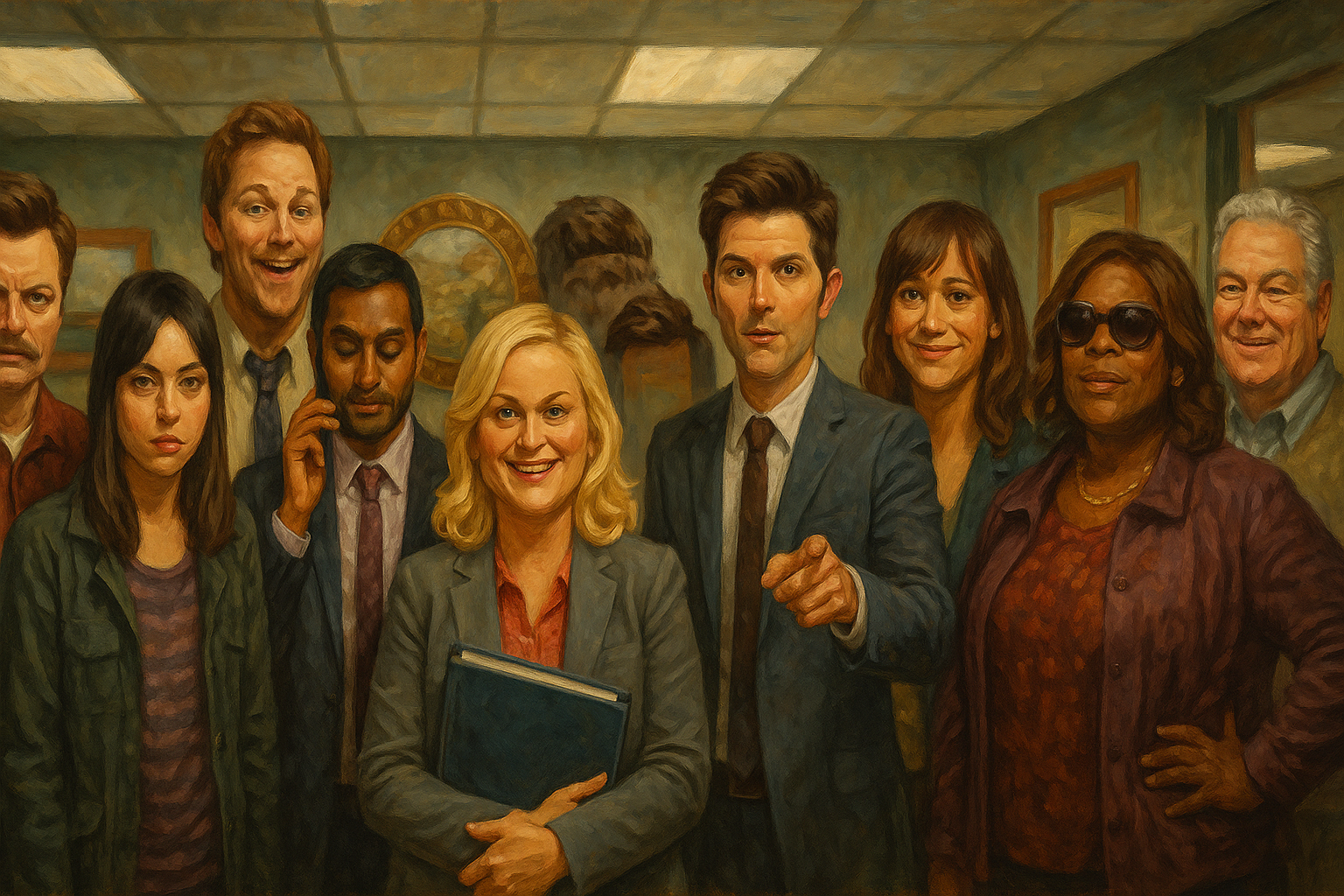
We estimated 30-facet OCEAN personality profiles for ten Pawnee Parks Department employees and ran a team dynamics report. 45 compatibility pairs. Average compatibility score: 68 out of 100. Nearly identical to Dunder Mifflin's average of 69. But the internal variance is far more extreme: the most compatible pair scores 85 and the least compatible scores 49. This is a team of wild personality swings held together by a few key relationships and one extraordinary leader.
The most compatible pairs: Ann is the team's anchor
Ann Perkins appears in three of the top four most compatible pairings on the team. She scores 85 with Ben Wyatt, 85 with Jerry Gergich, and 85 with Chris Traeger. Three ties for first place, and Ann is in all of them. Her profile — moderate Openness (47), solid Conscientiousness (68), balanced Extraversion (57), high Agreeableness (76), and stable Neuroticism (41) — makes her the personality equivalent of a universal adapter. She doesn't have extreme scores that create friction with anyone.
Her compatibility with Chris is the one the show develops into a relationship. Their domain gaps are small across the board: Openness gap of 5, Conscientiousness gap of 20, Agreeableness gap of 2, Neuroticism gap of 4. The gap that defines them is Extraversion (24 points). Chris is relentlessly social (E: 81) with Activity Level at 98 and Cheerfulness at 95. Ann is moderate (E: 57) — warm and present but not performing. She doesn't need the room the way Chris does. They complement each other precisely because of this gap, not despite it.

See the full team dynamics report →
The least compatible pair: Ron and Andy
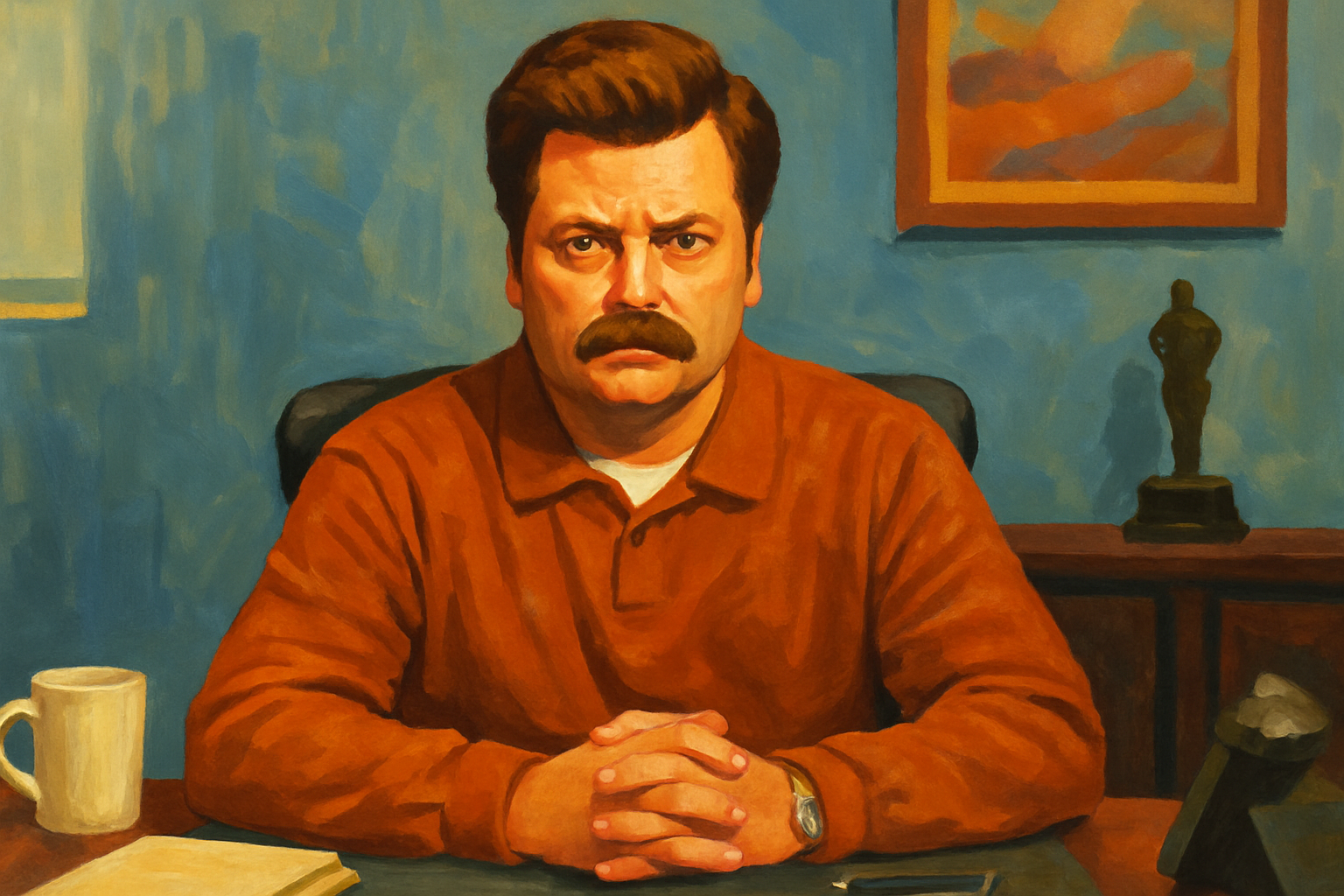
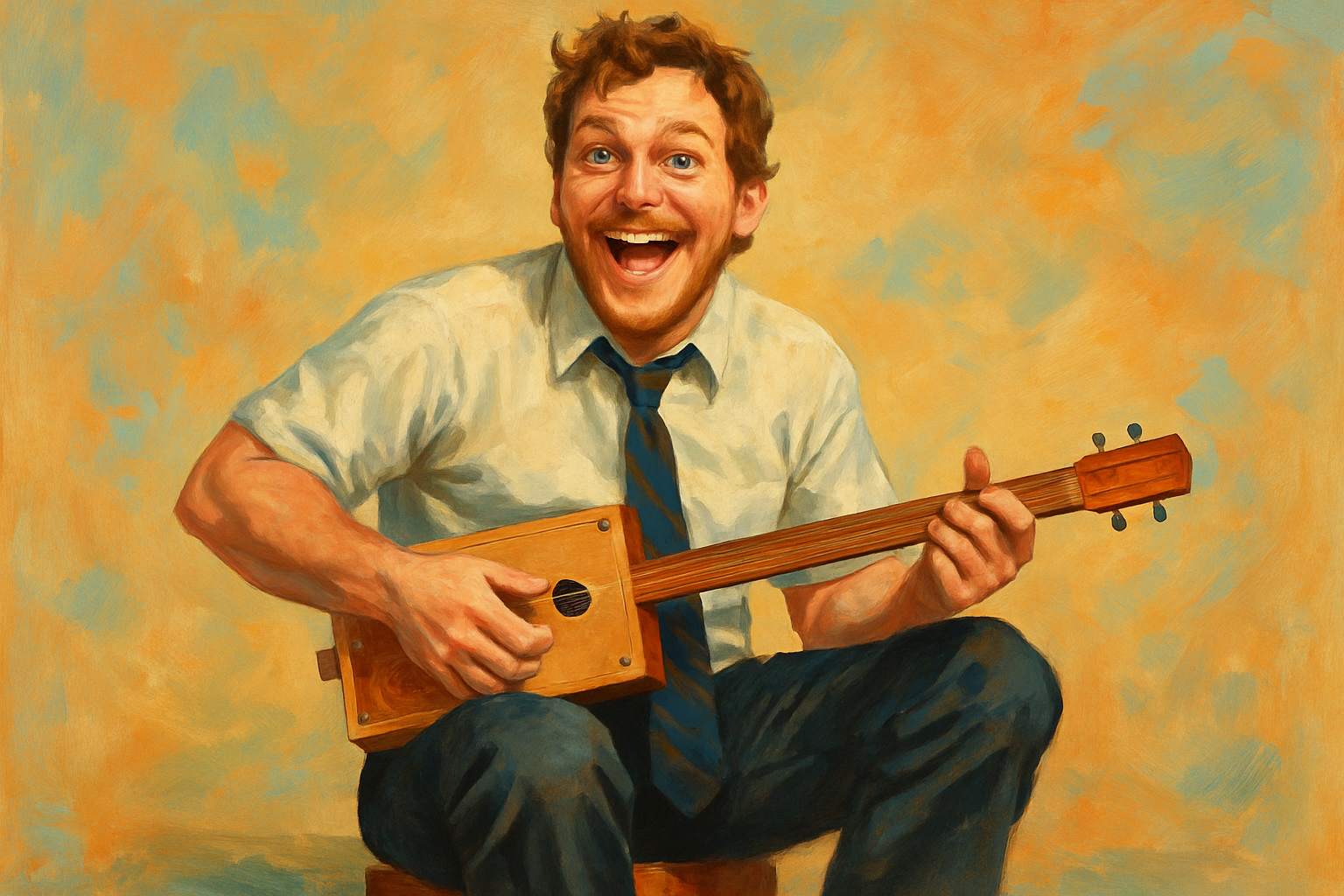
Ron Swanson and Andy Dwyer score 49 out of 100. The lowest compatibility on the entire team. Their Conscientiousness gap is 64 points. Their Extraversion gap is 55. Their Agreeableness gap is 55. The report identifies them as the most friction-prone pair, with 90-point gaps on both Self-Discipline and Cheerfulness.
Ron's Conscientiousness is 76. His Self-Discipline is 95, his Dutifulness 85, his Cautiousness 80. He builds things with his hands, finishes what he starts, and follows a personal code that never bends. Andy's Conscientiousness is 12. His Self-Discipline is 5. His Orderliness is 3. His Cautiousness is 3. He does not plan, does not organize, does not finish, and does not care that he doesn't.
And yet the show's best friendship is between these two. The data explains why: Ron's Agreeableness is 26 and Andy's is 81. Ron doesn't need Andy to be competent, organized, or useful. He needs Andy to not expect anything from him emotionally. Andy's sky-high Trust (90), Altruism (80), and Cooperation (75) mean he accepts Ron exactly as he is, without pressure to reciprocate warmth. For someone with Ron's Warmth at 15 and Gregariousness at 5, that is the only kind of relationship that doesn't cost energy.
See the full team dynamics report →
Leslie and Ben: the engine and the governor
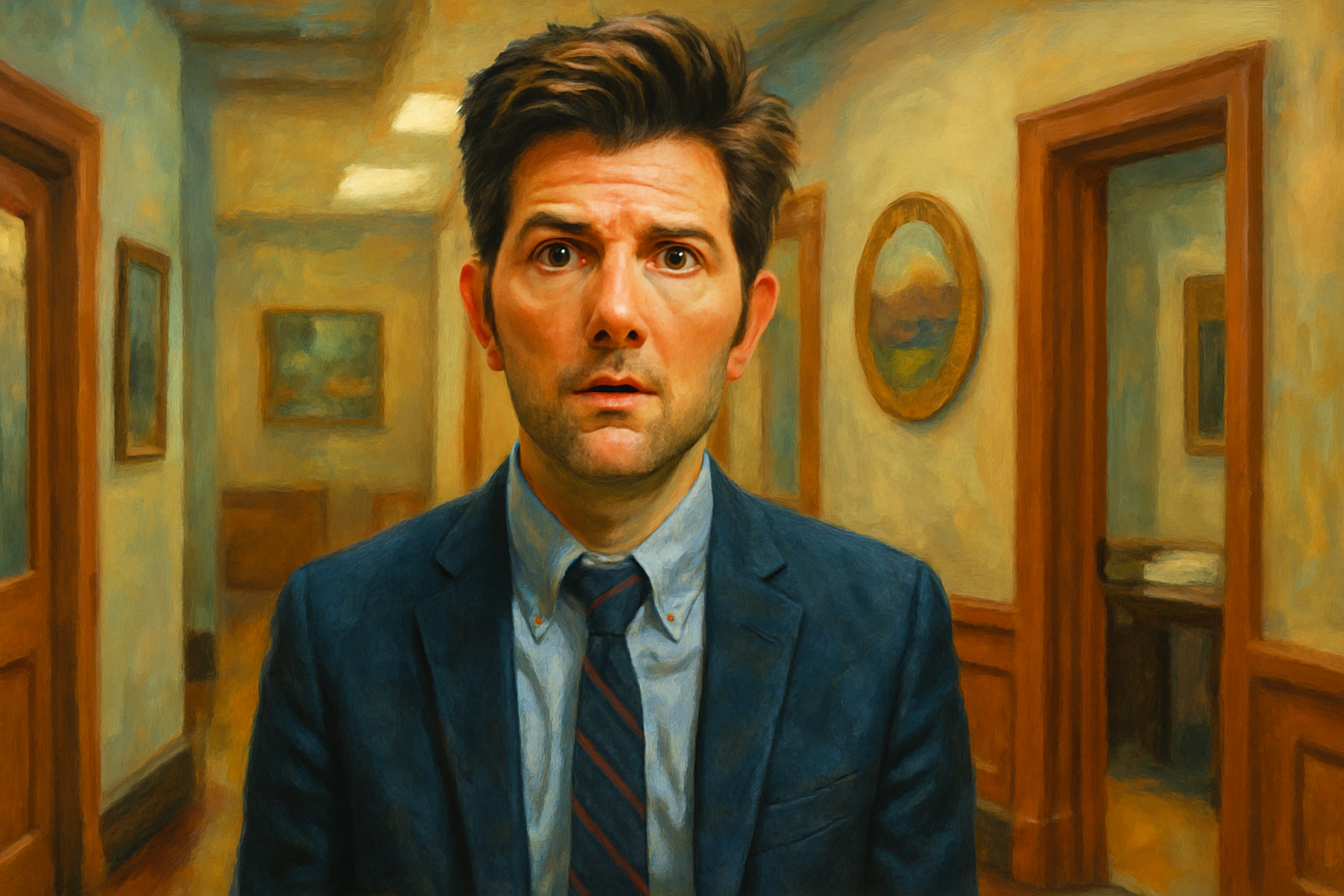
Leslie Knope and Ben Wyatt score 73. Good, but their Extraversion gap of 47 points is the largest single-domain gap in the relationship. Leslie's Extraversion is 88. Gregariousness 88, Activity Level 95, Assertiveness 95. Ben's Extraversion is 41. Gregariousness 30, Activity Level 40, Excitement-Seeking 25.
Leslie runs at a speed that would exhaust most people. Ben's Conscientiousness (82) matches hers (83) almost exactly — they agree on how things should be done. But his lower Extraversion means he processes everything at half her social bandwidth. The show captures this perfectly: Ben is always slightly behind Leslie's pace, not because he's less capable but because his nervous system needs recovery time hers doesn't.
What makes them work: their Conscientiousness gap is zero. They are functionally identical on discipline, organization, duty, and follow-through. When two people agree completely on how work should be done, the Extraversion gap becomes manageable because the conflicts are about pace, not values.
Leslie and April: the worst compatibility that produces the best mentorship
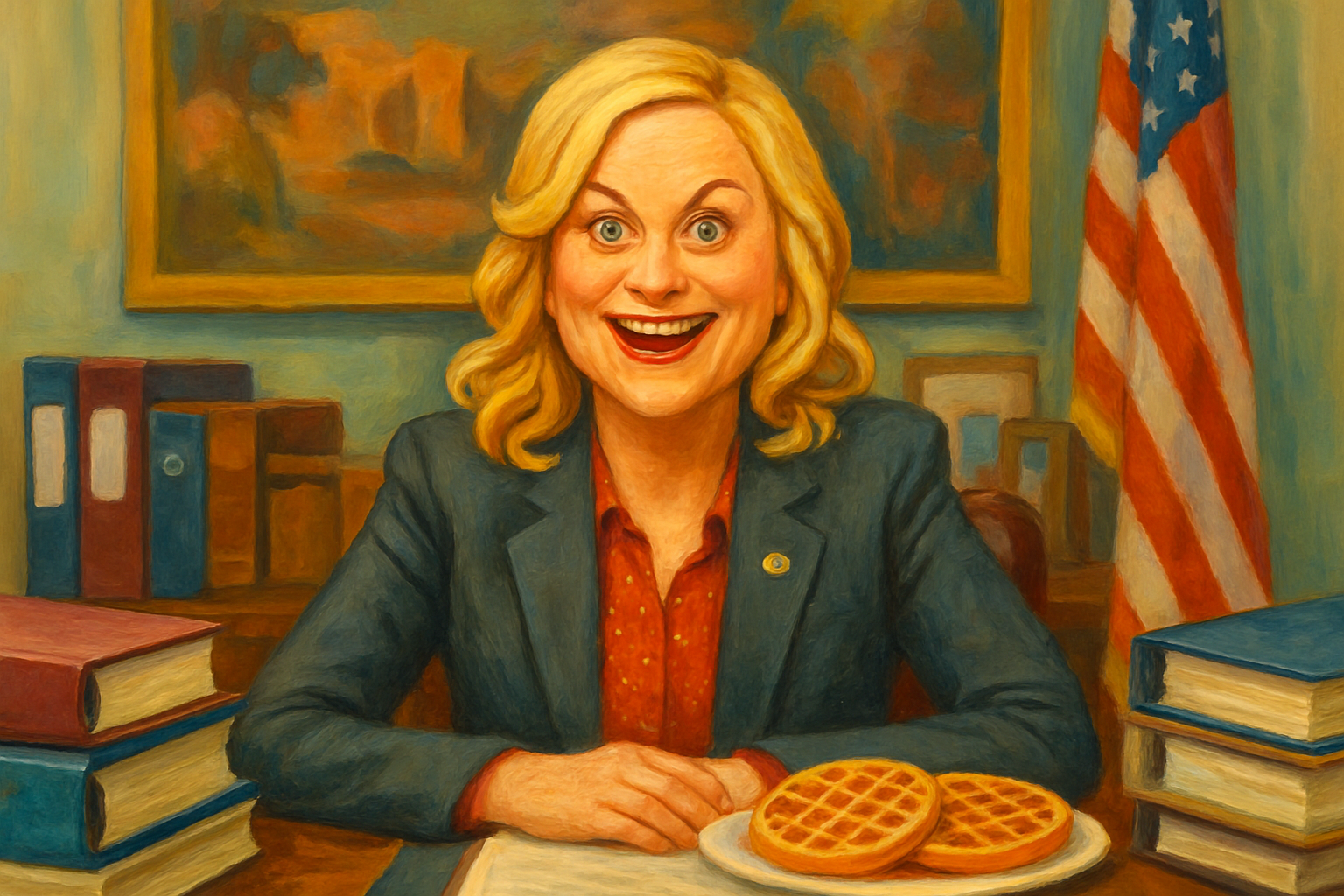
Leslie and April score 58. Below the team average of 68. Their Extraversion gap is 69 — the largest of any pair on the team. Their Conscientiousness gap is 57. Their Agreeableness gap is 40. The report flags them for significant divergence in how they approach tasks, interact with people, and engage with new ideas.
April's Conscientiousness is 26. Her Achievement-Striving is 15, her Dutifulness 25, her Orderliness 10. She does not care about work, does not care about goals, and does not care about caring. Leslie's Conscientiousness is 83. Her Achievement-Striving is 98. She cares about everything, all the time, at maximum volume.
But the show builds its most meaningful mentorship from this pair, and the personality data shows why it works. Leslie's Altruism is 95 — she genuinely wants to help people grow, even when they resist. April's low Agreeableness (18) means she won't pretend to care to make Leslie feel better. She won't perform gratitude. She won't fake enthusiasm. For someone like Leslie, whose Neuroticism is only 37 and whose Self-Consciousness is 35, that bluntness isn't threatening — it's refreshing. Leslie doesn't need April to validate her. She needs someone worth investing in who won't manipulate the investment.

See the full team dynamics report →
The Chris Traeger paradox
Chris Traeger has the highest Conscientiousness on the team (88) and the highest Agreeableness (78). He is, on paper, the ideal colleague. His Achievement-Striving is 95, his Self-Discipline 95, his Altruism 90, his Warmth 95. He should be universally compatible.
He is not. His compatibility with Ron Swanson is 58. With April Ludgate, 50 — the second-lowest pair involving Chris. The problem is his Neuroticism. His Anxiety is 75. His Depression is 65. His Vulnerability is 70. Behind the relentless positivity is a nervous system running constant threat detection. The cheerfulness is not a personality — it is a coping mechanism. The exercise, the diet, the optimism are all load-bearing. Remove any of them and the anxiety underneath becomes visible, which is exactly what the show does when it writes his breakdown arc.
Ron reads this immediately. Ron's Neuroticism is 9. His Anxiety is 5. His Self-Consciousness is 3. He does not scan for threats. He does not need reassurance. Chris's constant positivity registers to Ron not as warmth but as noise — a signal that something is wrong that Chris won't acknowledge. Their Agreeableness gap of 52 means they have no shared language for discussing it.
Tom, Donna, and the Treat Yourself axis
Tom Haverford and Donna Meagle score 76. Well above the team average, and their alignment is on a specific axis: both score high on Excitement-Seeking (Tom 95, Donna 80), high on Assertiveness (Tom 85, Donna 90), and low on Modesty (Tom 5, Donna 10). They are the only two people on the team who share the same orientation toward pleasure, status, and self-expression.
The difference is Conscientiousness. Donna's is 65 — she can afford her lifestyle because she manages her money. Tom's is 35 — he cannot. His Self-Discipline is 15, his Cautiousness 5, his Orderliness 15. Tom wants everything Donna has but lacks the executive function to build it sustainably. The show plays this as comedy (Entertainment 720, Tom's Bistro), but the subfacets show it's structural: the vision is real but the machinery to execute it keeps failing.

Jerry: the most agreeable person nobody agrees with
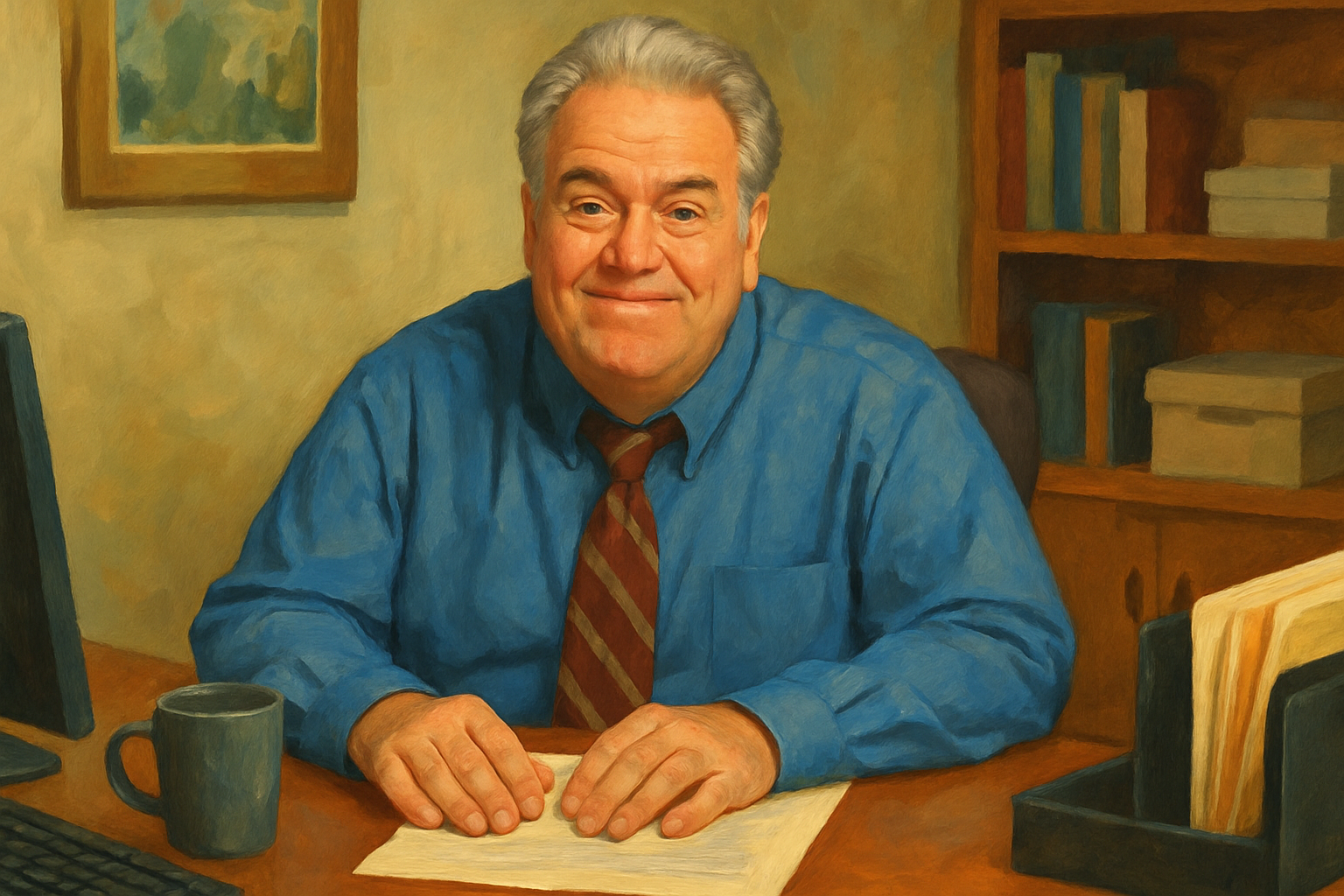
Jerry Gergich has the highest Agreeableness on the team at 91. His Cooperation is 95, his Altruism 92, his Sympathy 92, his Trust 90, his Straightforwardness 85. He is, by every measure, the kindest person in the department. He also has the lowest Assertiveness on the team at 5.
This is the personality architecture of a punching bag. High Agreeableness means Jerry absorbs hostility without retaliating. Low Assertiveness means he doesn't defend himself. High Self-Consciousness (80) means every insult lands. High Trust (90) means he keeps coming back for more because he genuinely believes people are good. The combination creates a person who is perpetually available for abuse and perpetually surprised by it.
His highest compatibility is with Ann (85) — tied for the top spot on the entire team. Both are high Agreeableness, moderate everything else, emotionally stable enough to not create drama. His lowest is with Tom Haverford (56), whose low Agreeableness (27) and high Assertiveness (85) create a dynamic where Tom's self-promotion runs directly over Jerry's inability to push back. April (57) has the exact profile to exploit Jerry's architecture: low Cooperation (8), low Sympathy (12), and enough Assertiveness (55) to say the cruelest thing in the room without hesitating.
What the team actually needs
The Pawnee Parks Department has an average compatibility of 68 — nearly identical to Dunder Mifflin's 69. But the variance is far wider: a 36-point spread between the best pair (85) and the worst (49), compared to Dunder Mifflin's 34-point spread. The team survives this volatility because it has something Dunder Mifflin doesn't: a leader whose personality profile is specifically built to hold incompatible people together.
Leslie Knope's Altruism is 95. Her Achievement-Striving is 98. Her Activity Level is 95. Her Assertiveness is 95. She has the energy to chase every goal, the warmth to care about every person, the dominance to push through resistance, and the stamina to never stop. Her low Cooperation (15) means she doesn't yield when the team resists, and her high Self-Efficacy (95) means she never doubts that the goal is achievable.
Michael Scott had the warmth but not the competence. Leslie has both. The report identifies Leslie and Ron as the team's most dominant figures, but their styles are opposite: Leslie's high warmth and altruism favor inclusion while Ron's straightforwardness and low trust favor authority. The team functions because Leslie's dominance is paired with genuine care, and Ron's is paired with genuine competence. Between them they cover every leadership mode the team needs.
The report identifies five blind spots. The most critical: inconsistent task completion due to the 76-point spread in Conscientiousness (Chris at 88, Andy at 12). The second: a lack of critical challenge — high Cooperation among several members means suboptimal ideas persist unchallenged. The third: the team's dominant personalities (Leslie, Ron, Donna, Tom) risk power struggles over direction rather than cohesive leadership. The report recommends assigning distinct areas of responsibility to channel their drive productively.
The team's greatest strength, per the report: emotional stability. The average Neuroticism is only 36, meaning the team is unlikely to be derailed by stress or setbacks. Combined with high warmth from Chris (95), Andy (95), and Leslie (92), the department maintains a supportive atmosphere that absorbs the friction its personality gaps create. The humor the show is known for isn't incidental — it's the only communication mode that works across both the high-warmth and low-warmth halves of this team simultaneously.
View the full team dynamics report
Run your own team report
The analysis above is exactly what our team dynamics reports produce for any group. Each person takes the 30-facet OCEAN personality test. We compare every pair, identify the strongest alignments and the most dangerous friction points, map communication styles, leadership dynamics, and blind spots. The report tells you which pairings will produce results and which ones will produce conflict, before either happens.
It works for teams of any size: co-founders, departments, project groups, startups. If you manage people, you are already dealing with these dynamics. The question is whether you can see them.