The Office Team Dynamics: Why Dunder Mifflin Barely Functions
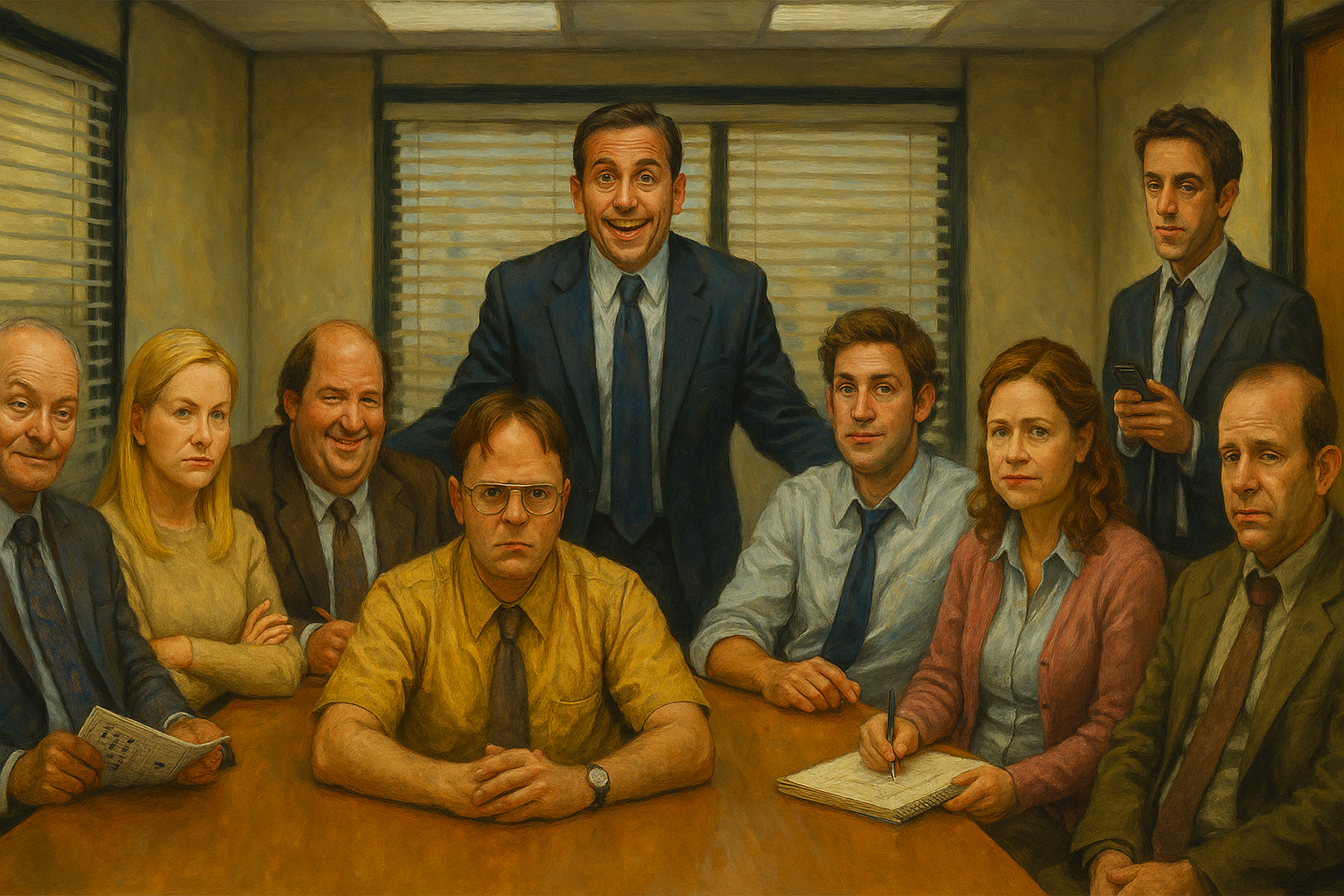
We estimated 30-facet OCEAN personality profiles for ten Dunder Mifflin Scranton employees and ran a team dynamics report. 45 compatibility pairs. Average compatibility score: 69 out of 100. The data explains everything about this office that the show treated as comedy but any HR professional would recognize as a structural disaster.
The most compatible pair nobody expected
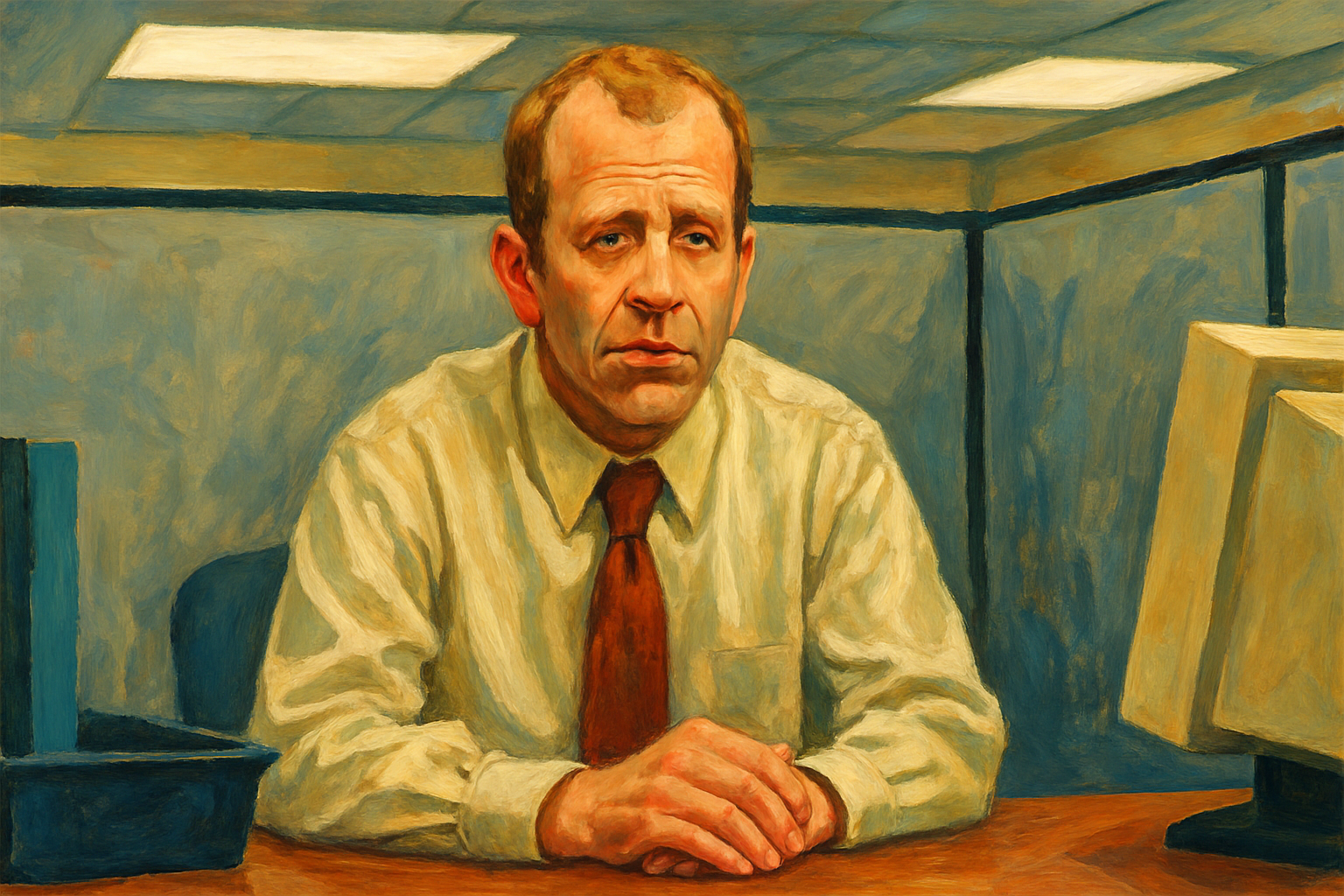
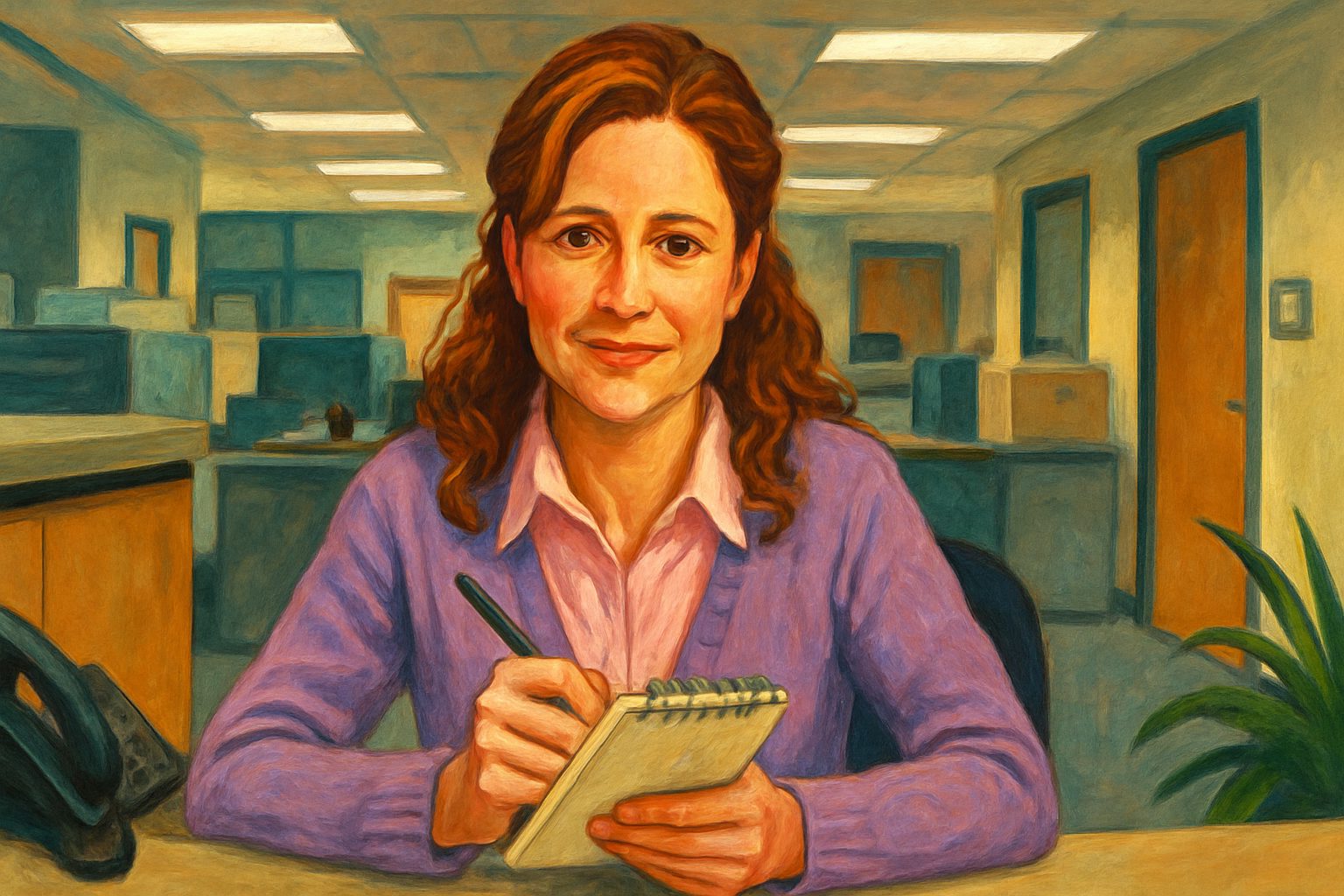
Toby Flenderson and Pam Beesly score 87 out of 100. The highest compatibility on the entire team. Their domain gaps are small: Openness gap of 23, Conscientiousness gap of 3, Extraversion gap of 28, Agreeableness gap of 5, Neuroticism gap of 5. Two people who process the world at nearly identical speeds, with nearly identical emotional ranges, and nearly identical tolerance for conflict.
This makes sense if you stop thinking of Toby as a joke and start thinking of him as a personality profile. High Agreeableness (85), high Dutifulness (79), high Self-Consciousness (84), and very low Assertiveness (10). Pam's profile mirrors this: high Agreeableness (90), high Cooperation (83), high Self-Consciousness (84), and low Assertiveness (26). They are the same archetype. Two people who absorb the room's emotional weather, avoid confrontation, and process everything internally. The show plays this as Toby being pathetic and Pam being sweet; the personality data says they are the same person in different bodies.
See the full team dynamics report →
The least compatible pair everyone expected
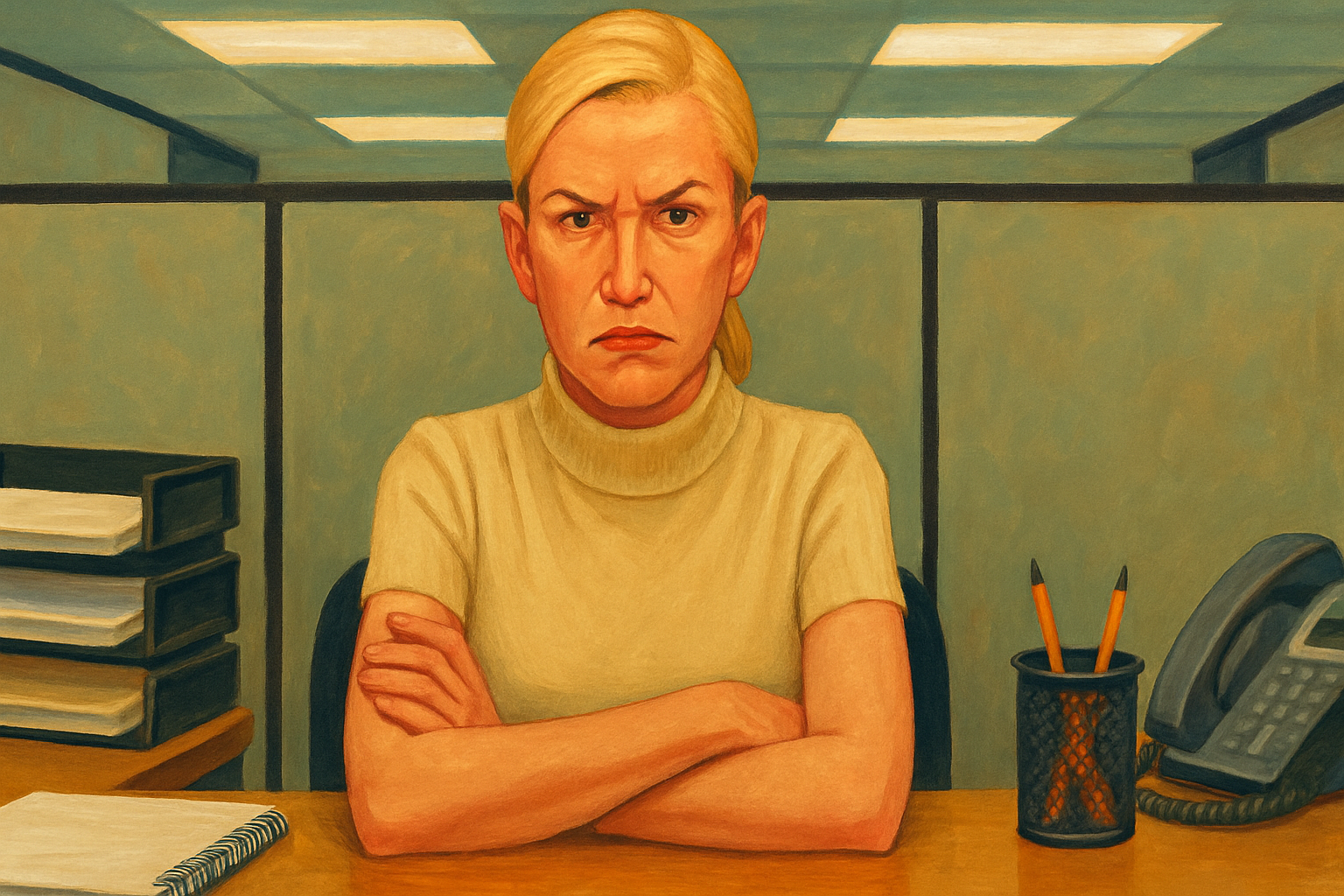
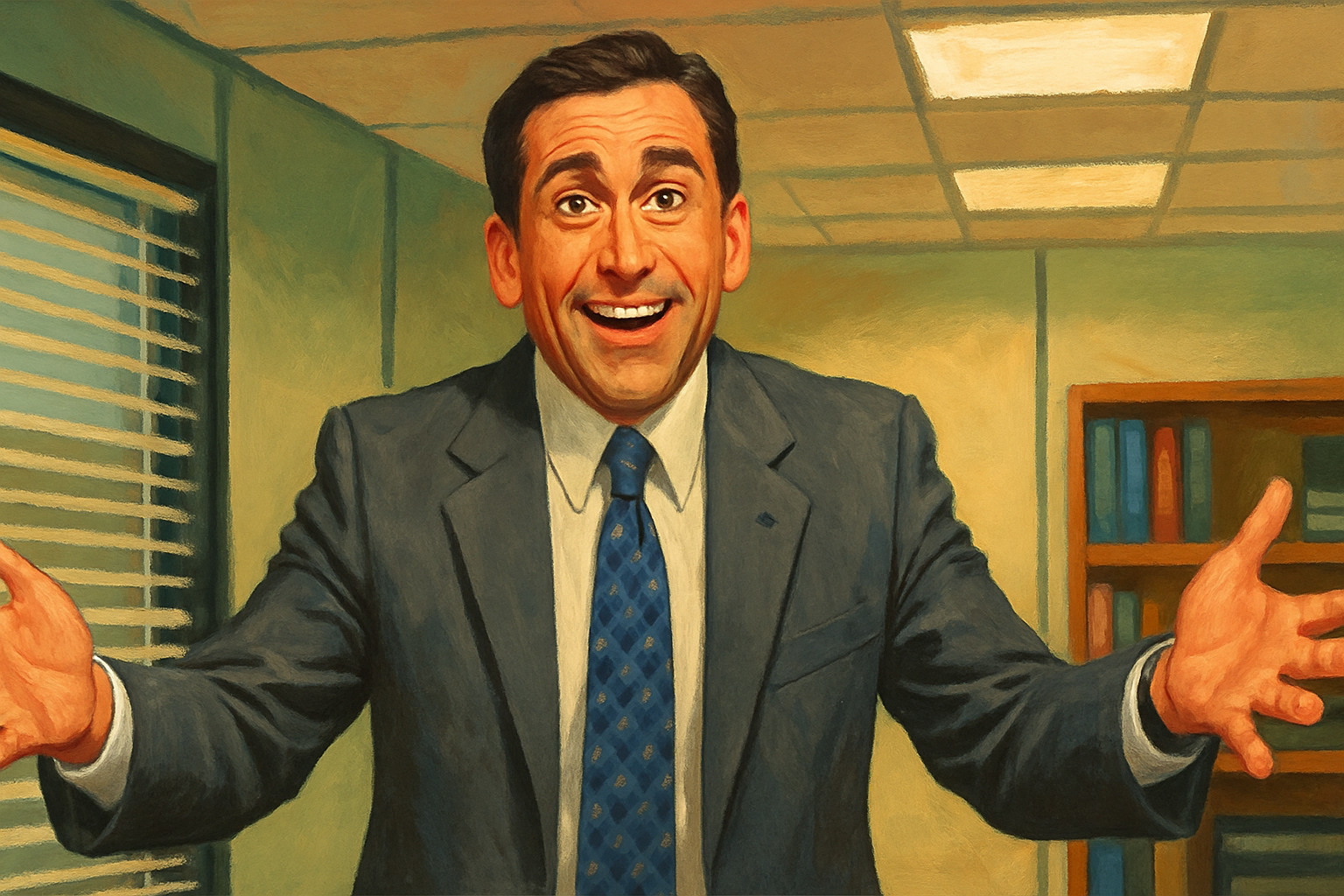
Angela Martin and Michael Scott score 53. The lowest on the team. Their Extraversion gap is 81 points. Their Conscientiousness gap is 67. Their Openness gap is 63. These two people do not share a single operating frequency.
Angela's Conscientiousness is 96. She scores 94 on Orderliness, 92 on Dutifulness, 91 on Self-Discipline. Her office is structured, her expectations are rigid, and her tolerance for chaos is zero. Michael's Conscientiousness is 29. His Orderliness is 15. His Cautiousness is 11. He makes decisions by feeling, changes plans mid-sentence, and treats deadlines as suggestions. For Angela, working under Michael is not annoying. It is psychologically corrosive. Every improvised decision, every abandoned process, every "that's what she said" registers in her nervous system as disorder that she cannot fix.
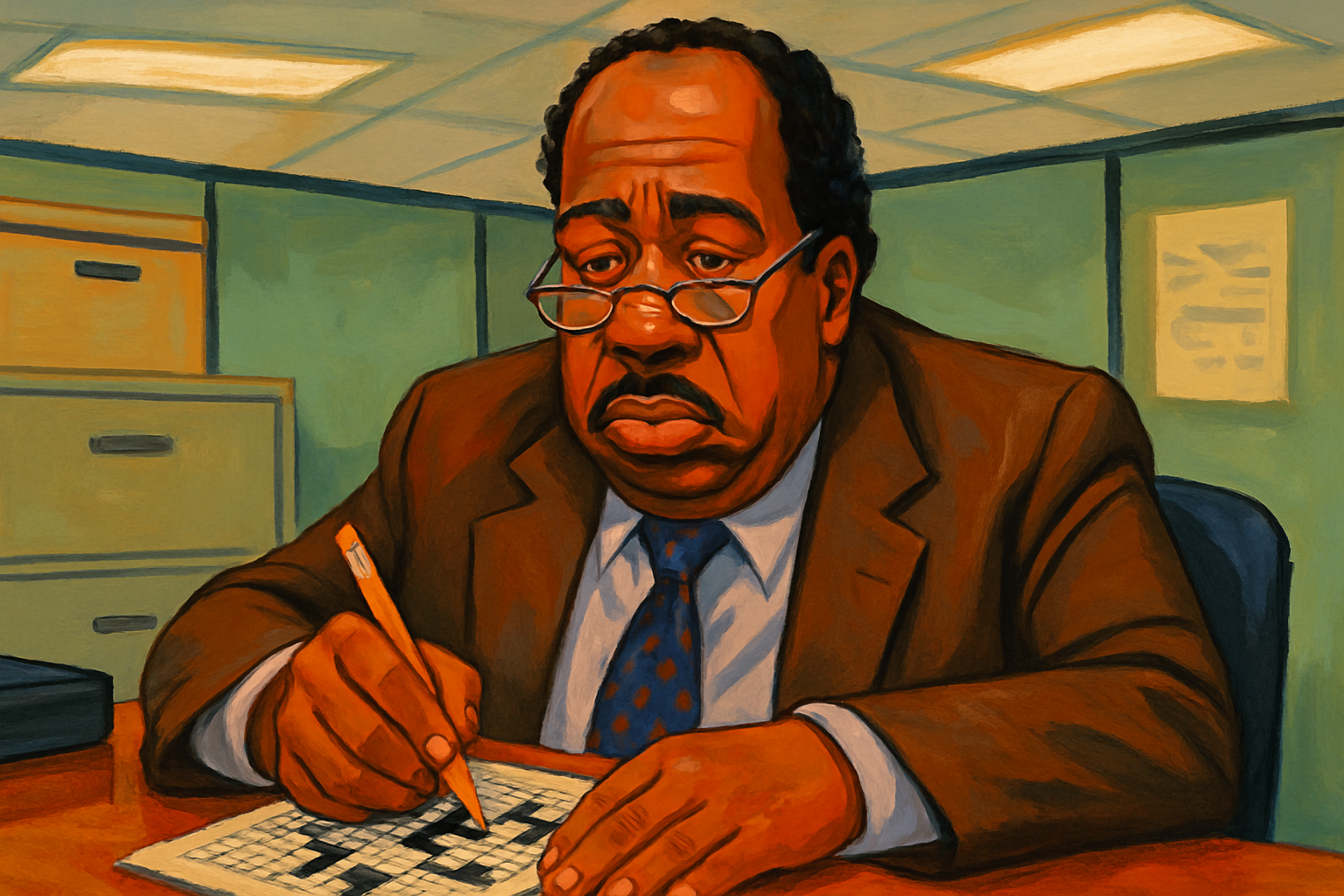
Stanley and Michael are nearly as bad at 53. The gap there is driven by Extraversion (88 points). Michael needs the room. Stanley needs the room to be empty. Michael's Gregariousness is 96; Stanley's is 11. This is not a preference mismatch. It is two people whose nervous systems are wired to respond to social stimulation in opposite directions. Michael's energy literally costs Stanley energy.
See the full team dynamics report →
The Angela-Dwight paradox
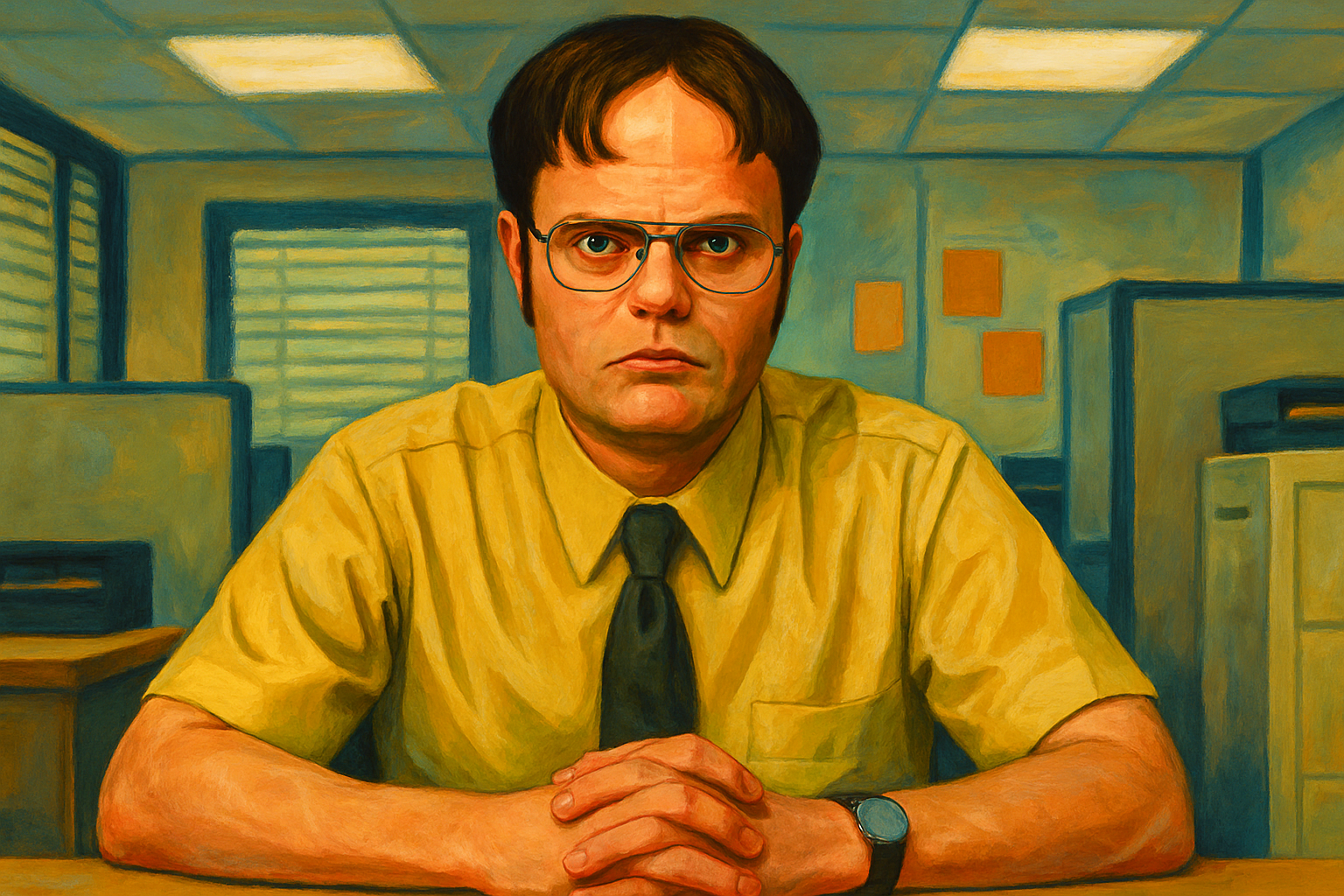
Angela and Dwight score 80. Fourth most compatible on the team. This surprises people who remember their relationship as dysfunctional, but the data is clear: their Conscientiousness gap is only 2 points. Both score above 88 on Orderliness, Dutifulness, and Self-Discipline. They are both low on Agreeableness (Angela 12, Dwight 15). They are both low on Warmth (Angela 13, Dwight 27). They operate at the same speed, with the same intensity, and the same disregard for other people's feelings.
The gap that makes them volatile is Extraversion (44 points). Dwight's Extraversion is 58; Angela's is 14. Dwight needs to perform, announce, compete publicly. Angela needs to control quietly. When they align on a goal, they are the most efficient pairing on the team. When they disagree, neither has the Agreeableness to yield. Two people with Cooperation scores at 10 and 15 do not compromise. They escalate.
See the full team dynamics report →
Jim and Pam: not as aligned as you think
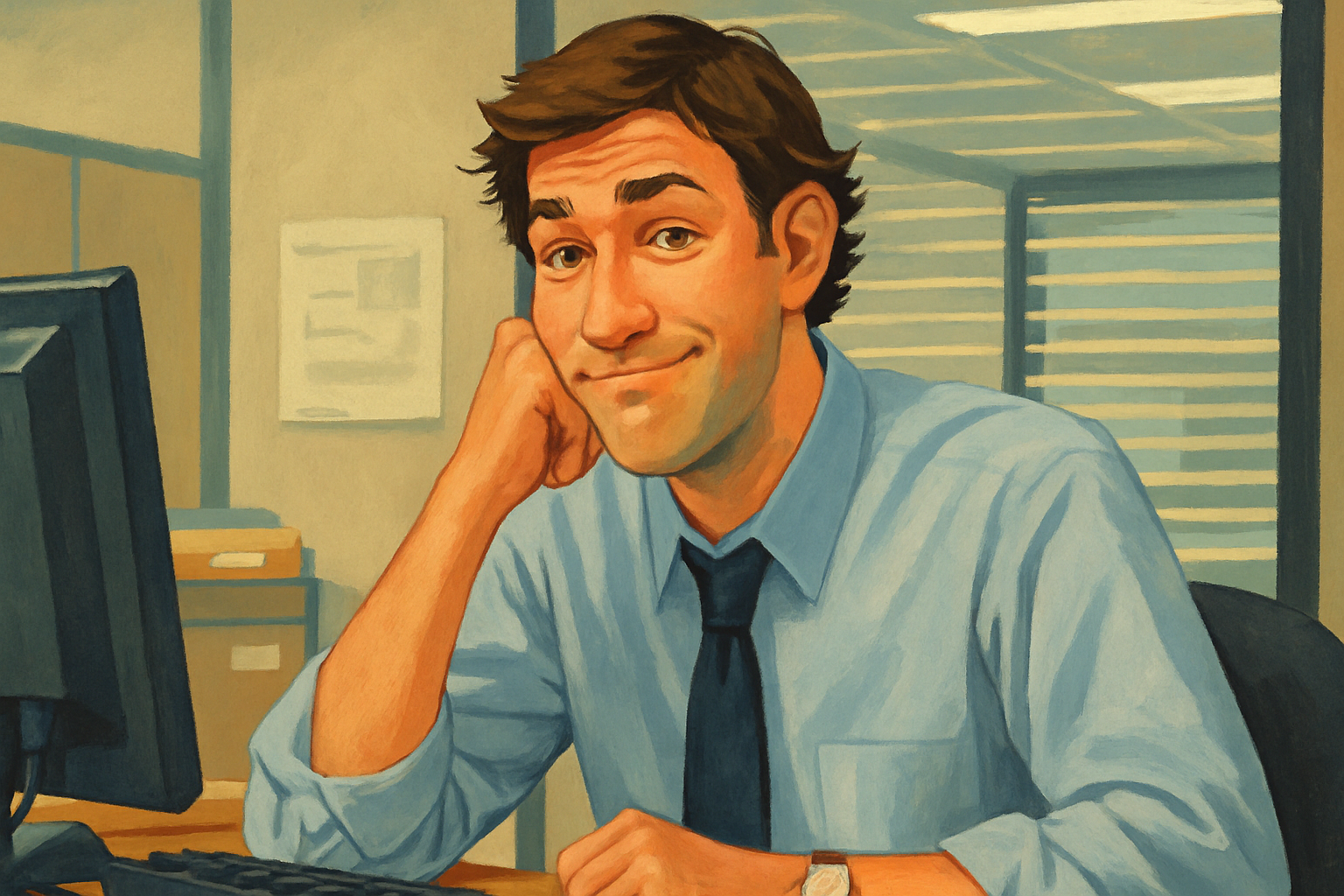
Jim and Pam score 75. Decent, but not exceptional. Their Agreeableness gap is 32 and their Neuroticism gap is 38. Jim's Neuroticism is 16; Pam's is 54. Jim's Anxiety is 25; Pam's is 69. Jim's Vulnerability is 18; Pam's is 73.
This is the dynamic the show captures perfectly without ever naming it. Pam worries. Jim does not. Pam feels criticism physically. Jim deflects it with a look at the camera. When the show creates tension between them (Athlead, the documentary crew, Brian the boom guy), it is always Pam feeling threatened and Jim not understanding why. That is a Vulnerability gap of 55 points expressing itself through plot.
What holds them together: their Openness gap is only 5 points. They see the world the same way. Same sense of humor (both high Imagination). Similar intellectual curiosity, similar tolerance for novelty. Artistic Interests is actually their widest Openness gap (Pam 88, Jim 39), which makes sense: she paints, he does not. But the overall domain alignment means they perceive and process experiences at the same frequency. The friction is emotional, not perceptual. They understand each other perfectly; they just feel things at different volumes.
Read Jim and Pam's full compatibility report →
See the full team dynamics report →
The Creed problem
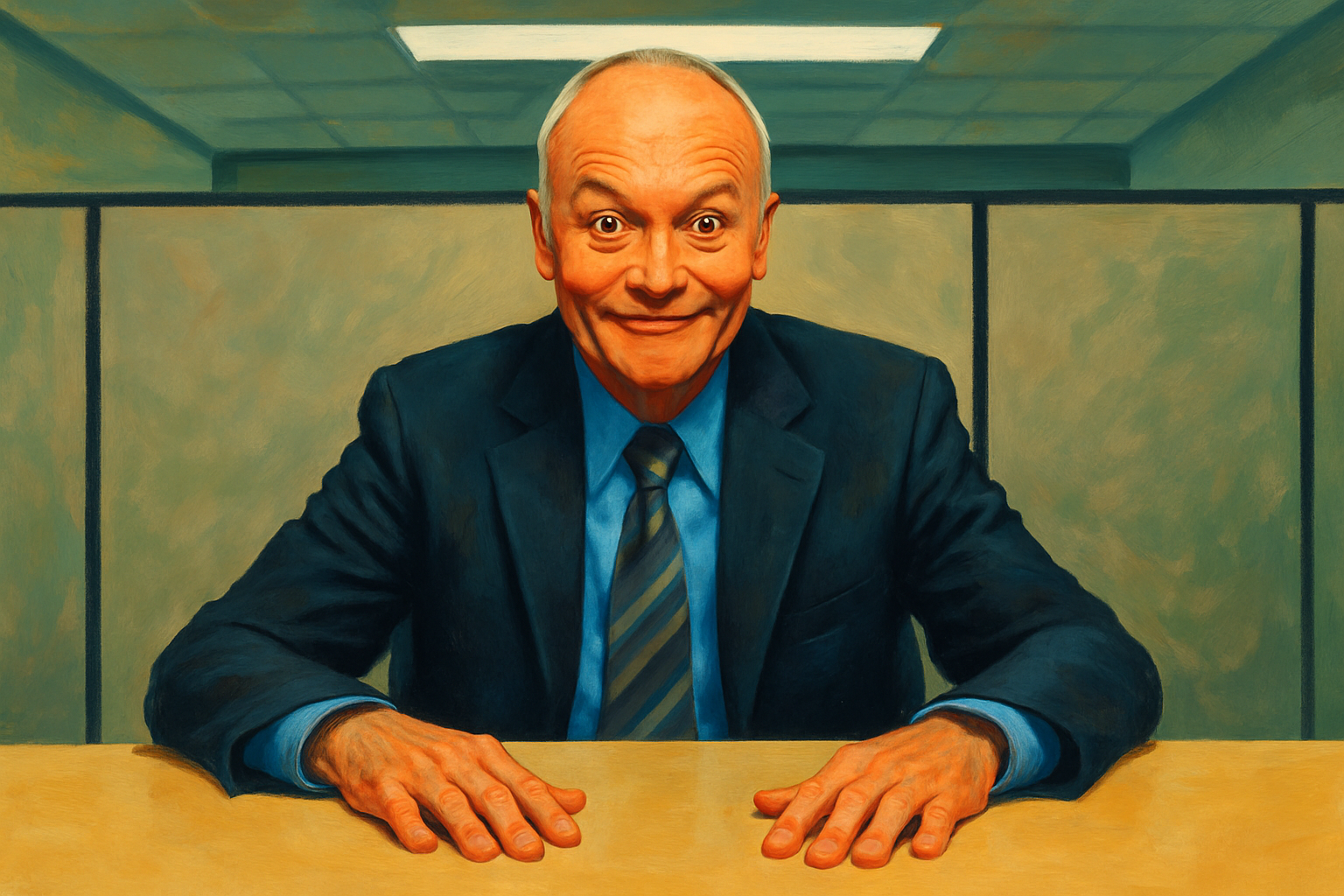
Creed Bratton's Conscientiousness is 2. The lowest on the team by a wide margin. His Orderliness is 4. His Dutifulness is 6. His Cautiousness is 4. His Self-Discipline is 7. He is, by the numbers, a person who does not follow rules, does not maintain systems, does not plan ahead, and does not feel compelled to do any of these things.
His most compatible pairing is with Ryan Howard (77), which tells you something about Ryan. Their Agreeableness gap is only 5 points because both score near the bottom. Two people who do not care about social harmony, do not feel obligated to help others, and do not pretend otherwise. The show codes this differently (Creed is eccentric, Ryan is ambitious), but the underlying personality architecture is similar: low empathy, low compliance, high willingness to operate outside norms.
Creed's least compatible pairing is with Angela (58). Their Conscientiousness gap is 94 points. Ninety-four. Angela's entire identity is built on structure and Creed's entire identity is built on the absence of it. That they share an office building is, from a team dynamics perspective, an act of institutional negligence.
See the full team dynamics report →
What the team actually needs
The report identifies six blind spots. The most damaging: inconsistent follow-through. Creed (C: 2), Michael (C: 29), and Jim (C: 37) together represent the leadership chain and the creative core of the office, and none of them score above the 40th percentile on Conscientiousness. The people setting direction cannot reliably execute it. Angela and Dwight compensate, but they compensate through control, not collaboration, which creates resentment rather than reliability.
The second blind spot: emotional support. The team's average Agreeableness is 42. Six of ten members score below 20 on Cooperation. The people who do provide warmth (Pam, Phyllis, Jim, Michael) are spread thin across a group where half the members are actively hostile to emotional engagement. Toby, who is literally the HR representative, has the personality profile for the job (A: 85, Sympathy: 70) but the Assertiveness (10) to do nothing with it.
View the full team dynamics report
Run your own team report
The analysis above is exactly what our team dynamics reports produce for any group. Each person takes the 30-facet OCEAN personality test. We compare every pair, identify the strongest alignments and the most dangerous friction points, map communication styles, leadership dynamics, and blind spots. The report tells you which pairings will produce results and which ones will produce conflict, before either happens.
It works for teams of any size: co-founders, departments, project groups, startups. If you manage people, you are already dealing with these dynamics. The question is whether you can see them.