Marie Kondo's The Life-Changing Magic of Tidying Up: One Facet
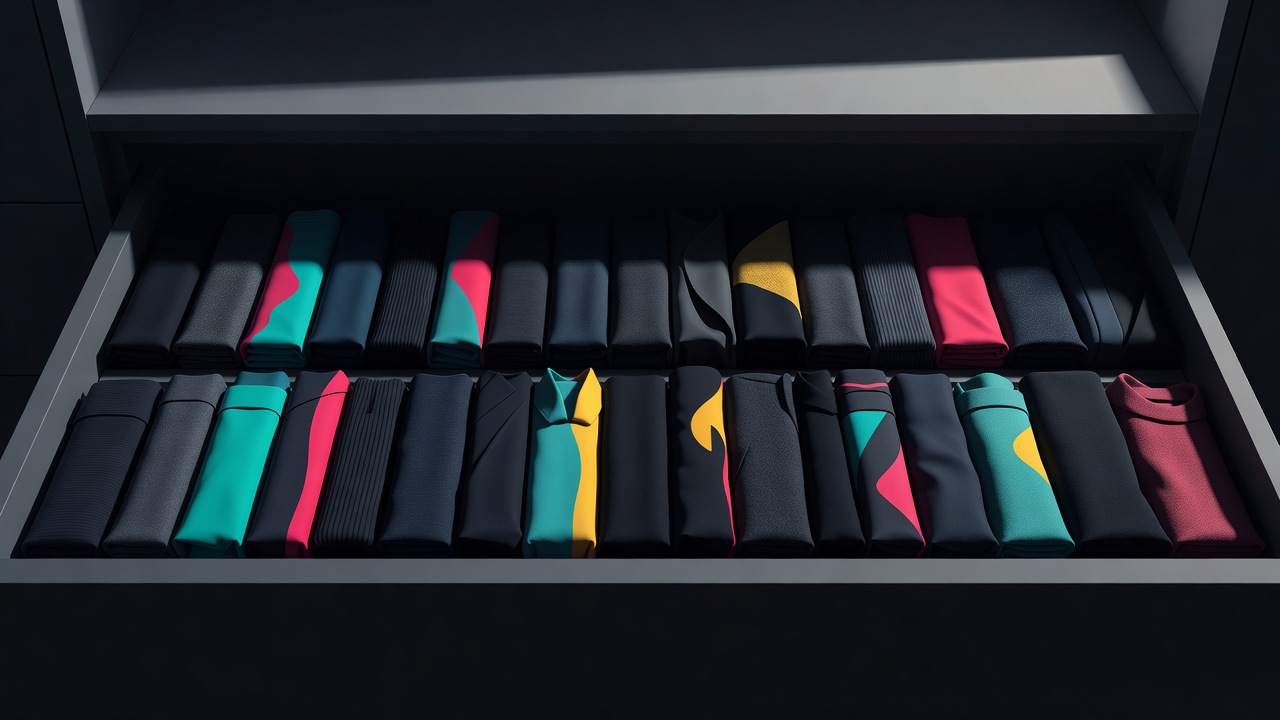
Marie Kondo turned folding into a global franchise on a promise most organizing books never dare make: do it right once and you are done. Her site puts it flatly, that the KonMari Method is "a simple but effective tidying method, ensuring you will never again relapse to clutter." You can read the method on her own site. Underneath the joy-checking and the upright socks, what Kondo is describing is one Big Five facet running high.
Tidiness is the Orderliness facet
Orderliness (C2), a facet of Conscientiousness, is the trait that wants things in their place and feels a low hum of wrongness when they are not. A high scorer straightens the picture frame without deciding to and cannot settle in a messy room; a low scorer genuinely does not clock the pile on the chair. Kondo lives at the far high end, and her method is basically that end of C2 written out as steps for everyone else. "Life truly begins only after you have put your house in order," she says, which is about as high-C2 as a sentence gets: order comes first, and life arranges itself behind it.
This is also why the method sticks for some people and quietly falls apart for others. If your C2 already runs high, KonMari just hands your existing instinct a system, and the house stays done. If it runs low, the same instructions push against your grain every single day and the drawers drift back within a month, which says nothing about your character and everything about where your C2 sits. Knowing your own end of the scale tells you in advance whether tidiness will ever go automatic or stay a thing you maintain on purpose.
We cover the facet on its own in Orderliness (C2), including where the very top of it shades into perfectionism. Kondo's book is the high end handed to you as a manual; your score tells you how much of it will hold once the first burst of enthusiasm burns off.
Read the book: The Life-Changing Magic of Tidying Up: The Japanese Art of Decluttering and Organizing by Marie Kondo.
See Where You Fall
Where do you actually fall? The 30-facet OCEAN personality test takes about 15 minutes and scores all five domains and the facets underneath them. Take the test
Research Citations
Kondo, M. (2014). The life-changing magic of tidying up: The Japanese art of decluttering and organizing. Ten Speed Press.
Roster, C. A., Ferrari, J. R., & Jurkat, M. P. (2016). The dark side of home: Assessing possession clutter on subjective well-being. Journal of Environmental Psychology, 46, 32-41.
Johnson, J. A. (2014). Measuring thirty facets of the Five Factor Model with a 120-item public domain inventory: Development of the IPIP-NEO-120. Journal of Research in Personality, 51, 78-89.
Costa, P. T., & McCrae, R. R. (1992). Revised NEO Personality Inventory (NEO-PI-R) professional manual. Psychological Assessment Resources.