The Peacekeeper Who Explodes: When High Agreeableness Meets Repressed Anger
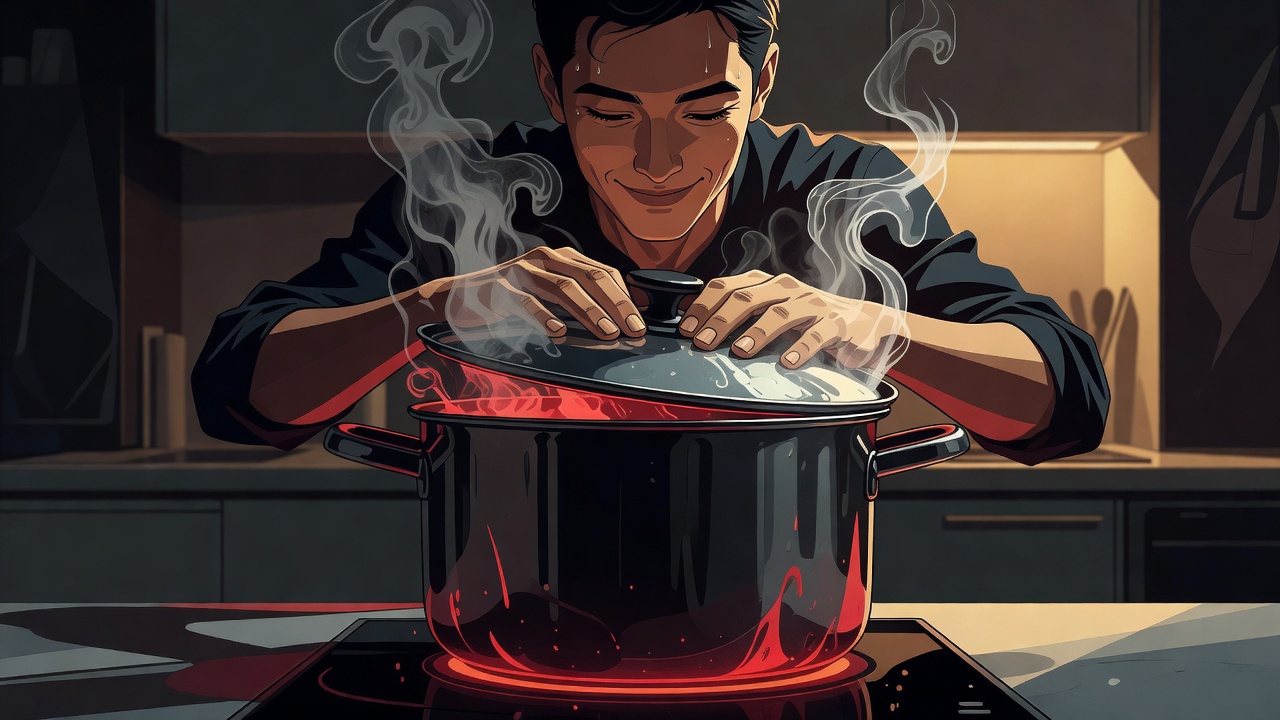
Everyone is shocked when it happens. The person who accommodates everyone and never makes a fuss, who has absorbed a thousand small slights without complaint, suddenly detonates over a dish left in the sink, or over nothing anyone can identify. The explosion is wildly out of proportion to the trigger, and afterward the person is mortified and everyone concludes they "just snapped." They did not snap. They ran out of room in a container that had been filling for years, and the facet configuration that builds that container is specific and common.
The three facets that build the pressure
The peacekeeper explosion needs three readings at once. There has to be real Anger (N2) underneath, or there would be nothing to repress; this person feels the slights, registers the unfairness, and reacts internally like anyone else. There has to be high Agreeableness, especially high Cooperation, which makes expressing that anger feel unacceptable, so each flash of it gets swallowed rather than voiced, in the name of keeping the peace. And there has to be low Assertiveness (E3), which removes the ability to raise the issue calmly at the moment it happens, because addressing it directly would require a confrontation the person cannot initiate. Put the three together and you get a system that generates anger and forbids its expression while lacking any tool to discharge it cleanly, so it accumulates.
Why the trigger is always small
The disproportion between the explosion and its trigger is the most misunderstood part, and it makes perfect sense once you see the container. The person is not reacting to the dish in the sink. They are discharging months or years of swallowed anger, and the dish is merely the drop that crested the rim. This is why the trigger is so often trivial: a large provocation would have justified a response, which the person might actually have voiced, but the small ones slip under the threshold where confrontation feels warranted, so they get swallowed and stored instead. The explosion detonates on a minor trigger precisely because all the major ones were handled correctly and the minor ones were the ones that accumulated. The Anger breakdown covers the N2 facet that supplies the raw material, and the keeping the peace pattern covers the swallowing mechanism.
The cost to everyone, including the peacekeeper
This pattern is corrosive in a quiet way long before it explodes. The peacekeeper lives with a low-grade resentment they feel guilty for having, since their own values say they should not be angry, and the guilt drives the anger further underground where it grows. The people around them get an unfair deal too, because they are managing a person whose real feelings are invisible until they erupt, which makes the relationship feel unpredictable and unsafe in a way the peacekeeper would be horrified to learn they were creating. And the explosions, when they come, do more damage to the peacekeeper's standing than a lifetime of small honest frictions ever would have, because a person known for calm who suddenly rages is frightening in a way a normally-expressive person is not. The niceness, in the end, costs everyone more than ordinary directness would have.
The fix: many small releases instead of one big one
Becoming less Agreeable or more angry is neither available nor desirable, so the solution lies elsewhere: building the missing discharge valve, which is a small, repeatable act of low-stakes assertiveness: naming the small thing at the moment it happens, in a calm sentence, before it goes into the container. "Hey, could you rinse that when you're done?" said in the moment is trivial, and it is exactly the sentence the low-E3 peacekeeper cannot produce, which is why the anger has nowhere to go but storage. The skill is not confrontation; it is micro-confrontation, the tiny in-the-moment expression that keeps the container from ever filling. A person who learns to voice the small frictions as they arise never accumulates the charge that produces the explosion, and, paradoxically, becomes far easier to be around than the one who was "nice" about everything.
The 30-facet OCEAN personality test scores Anger, Cooperation, and Assertiveness separately, which is the exact combination that reveals whether you are building this container without knowing it. It takes about 15 minutes, and domain results are free. If you are known for being easygoing and have surprised yourself with the size of a reaction to something small, those three numbers together will show you the machine, and the machine, once seen, is one of the more fixable patterns there is.