Avinash Dixit's The Art of Strategy and the Intellect Facet (O5)
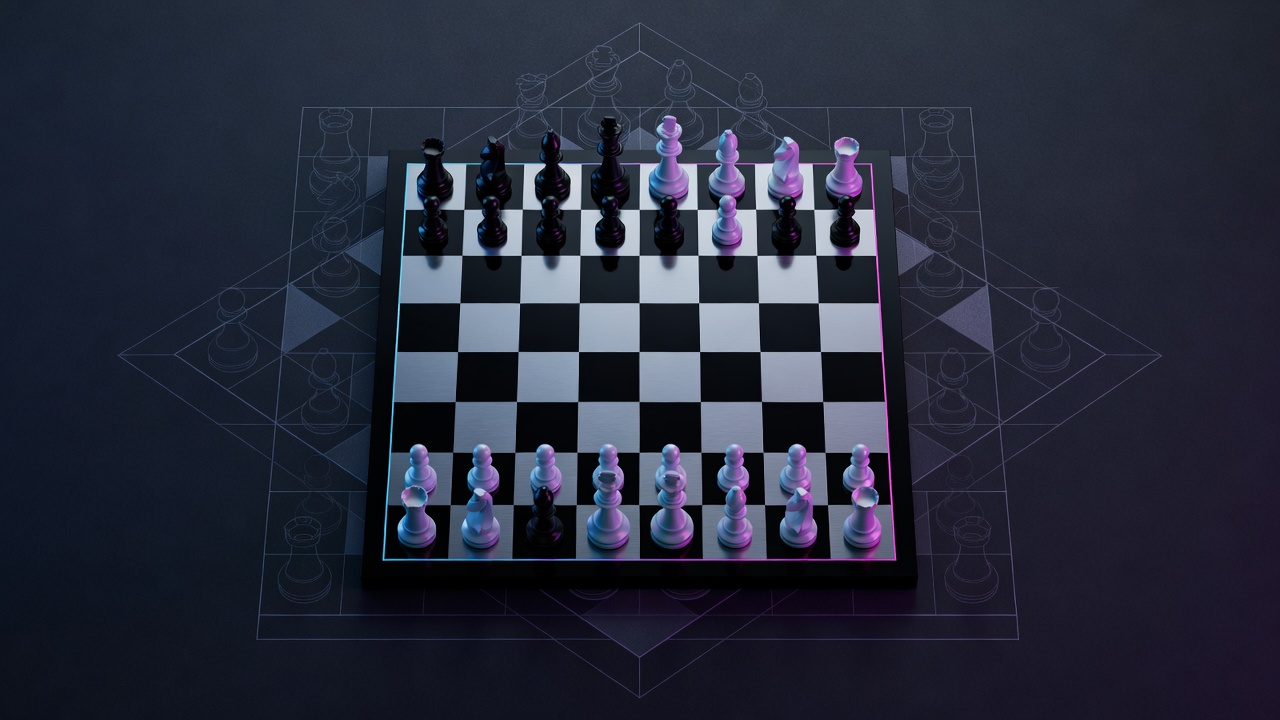
Avinash Dixit and Barry Nalebuff, economists at Princeton and Yale, wrote The Art of Strategy to hand ordinary readers the tools of game theory, the study of how to think when your outcome depends on other people's choices. One of its lessons widens the frame on any situation, on a page of lines from the book: "You may be thinking you are playing one game, but it is only part of a larger game. There is always a larger game." That appetite for reasoning a problem all the way through is, in the Big Five, one facet.
Reasoning it through is the Intellect facet
That facet is Intellect (O5), under Openness, the pull toward ideas, analysis, and the pleasure of working something out rather than reacting to it. Dixit and Nalebuff assume and reward high O5: the willingness to slow down, model the situation, and look forward and reason backward instead of playing the first move that feels right. A high scorer enjoys turning a problem over and looking for the structure underneath. A lower scorer trusts instinct and gets impatient with the layers of analysis, and may find the book's puzzles more taxing than fun.
The habit the book trains is stepping back to ask what game you are actually in, since most mistakes come from playing a smaller one well while missing the bigger one entirely. That is O5 doing its real work, the discipline of thinking about your thinking before you act, which sits close to the openness to reconsider the frame you started with. For a lower-O5 reader the usable version is narrow, pausing before a big decision to ask who else's choices shape the outcome and what larger game this move belongs to. Instinct is fast and often right. The book's claim is that the moments that matter reward the person who stopped to reason the whole board through.
Read your O5 to know how The Art of Strategy lands. If it runs high, the book is a playground, a set of tools for a mind that already likes to reason. If it runs low, it asks something real of you, to treat analysis as worth the effort in the decisions that count, which is work but the kind that keeps you from winning the wrong game. The instinctive move is always available. Dixit and Nalebuff spend the book showing what you gain by thinking one level past it.
Read the book: The Art of Strategy: A Game Theorist's Guide to Success in Business and Life by Avinash Dixit.
See Where You Fall
Where do you actually fall? The 30-facet OCEAN personality test takes about 15 minutes and scores all five domains and the facets underneath them. Take the test
Research Citations
Dixit, A. K., & Nalebuff, B. J. (2008). The art of strategy: A game theorist's guide to success in business and life. W. W. Norton.
Mussel, P. (2013). Intellect: A theoretical framework for personality traits related to intellectual achievements. Journal of Personality and Social Psychology, 104(5), 885-906.
Johnson, J. A. (2014). Measuring thirty facets of the Five Factor Model with a 120-item public domain inventory: Development of the IPIP-NEO-120. Journal of Research in Personality, 51, 78-89.
Costa, P. T., & McCrae, R. R. (1992). Revised NEO Personality Inventory (NEO-PI-R) professional manual. Psychological Assessment Resources.