Big Five vs Gottman: What Each One Actually Measures
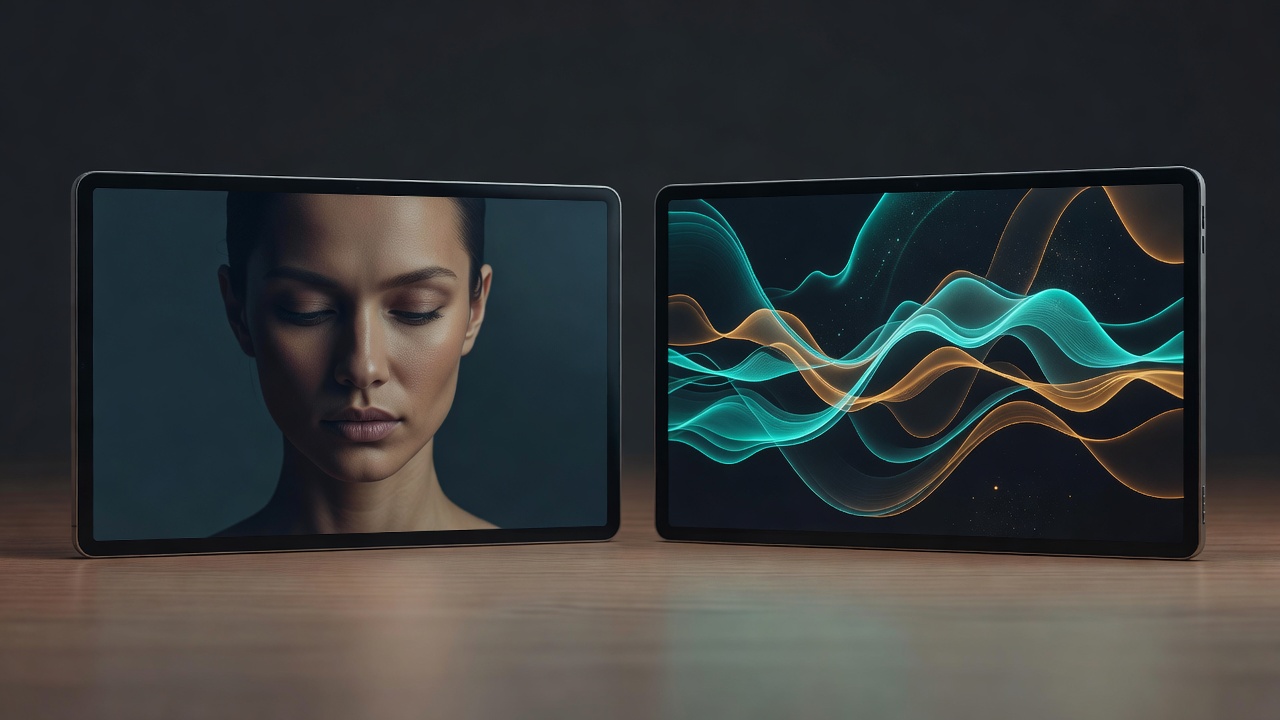
Clinicians who work with couples often ask whether a Big Five assessment competes with the Gottman method. It does not, because the two are measuring different objects. One takes a reading of each individual's stable temperament. The other observes what happens in the space between two people when they interact. Knowing which question each one answers is what lets you use them without redundancy.
What the Gottman method measures
The Gottman approach is built on observing the interaction. Its core signals, the criticism and contempt and defensiveness and stonewalling that predict dissolution, are patterns of behavior that emerge between partners during conflict. It is dynamic by design, focused on what the couple does in real time, and it is strongest at telling you how a specific relationship currently functions and where the repair attempts are succeeding or failing.
What the Big Five measures
A Big Five profile takes a still photograph of each person's temperament, the traits that are stable across situations and relationships. It never watches the couple argue. What it captures is what each partner walks into every argument already carrying. The IPIP-NEO-120 instrument scores five domains across 30 facets, so instead of a global impression you get the specific dispositions underneath the behavior. A partner high on the Anger facet is predisposed toward the escalation the Gottman lens would later observe. The trait is the standing condition; the interaction pattern is what grows out of it under stress.
Why they answer different questions
This is the practical distinction. The interaction view tells you what is happening now and whether the couple's real-time repair is working. The trait view tells you why this particular pair produces this particular pattern, and which parts of it are temperament that will not simply be trained away. A couple can learn better conflict mechanics and still run into the same friction, because the underlying facet gap in Orderliness or Extraversion did not move. Seeing both lets you separate the skills a couple can build from the differences they will need a standing system to manage.
Using them together
In practice the two complement each other cleanly. The trait profiles give you a fast, structured baseline at intake, before you have watched the couple interact even once, which is exactly when you have the least information. As therapy continues, the interaction lens shows you whether the patterns are shifting. The compatibility research is clear that most durable friction traces back to specific facet gaps rather than to a global lack of skill, so a trait map keeps you from trying to coach away a difference that was never a skill deficit in the first place.
If you want the temperament half of that picture for a couple you already see, the 30-facet OCEAN personality test is free for the domain scores and takes each partner about 15 minutes. The compatibility report for practitioners turns the two profiles into a facet-by-facet map you can read alongside whatever interaction work you already do.